
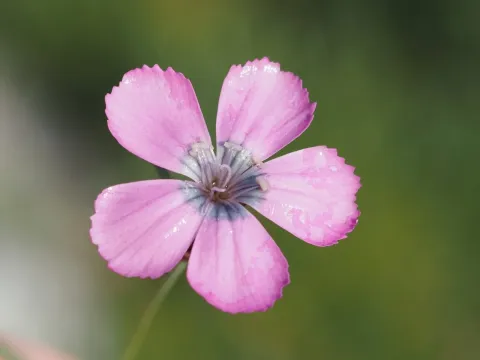
Peacock pink
Dianthus pavonius
Sowing seeds of Dianthus pavonius typically takes place in early spring, from March to April. Using a seed tray with a lightweight, well-draining substrate is recommended for optimal germination.
What the section contains
Peacock pink
Seeds require a consistent temperature of around 18 to 20 degrees Celsius to break dormancy. They should be surface-sown and barely covered with a fine layer of sand or grit.
When sowing outdoors, it is essential to wait for the soil to warm up adequately, usually by late April or early May, to avoid frost damage to young seedlings.
Once seedlings are large enough to handle, they are pricked out into individual pots. This transition phase is crucial for developing a strong root system before transplantation.
The spacing between plants should be approximately 20 centimeters. This density allows the plants to establish a uniform, decorative mat while maintaining proper airflow.
Dianthus pavonius belongs to the Caryophyllaceae family and is recognized as a hardy, perennial herbaceous species native to the alpine regions of Southern Europe.
This plant thrives in full sun exposure. It is perfectly adapted to mountain conditions, featuring narrow, grass-like leaves and vibrant, multi-colored flowers.
Soil requirements focus on excellent drainage. The species prefers alkaline or neutral soils that are sandy or rocky, making it an excellent choice for rock gardens.
Watering should be kept moderate. Although the plant is drought-tolerant once established, it requires consistent moisture during the early stages of growth and flowering.
It is generally unnecessary to provide heavy fertilization. In fact, excessive nitrogen promotes leggy growth, which can undermine the plant's natural compact structure.
The primary threats to Dianthus pavonius involve fungal pathogens that thrive in humid environments. Root rot and collar rot are particularly common if drainage is poor.
Aphids and spider mites are the most frequent insect pests. These can cause stunted growth and yellowing of the foliage if left uncontrolled during dry summer months.
Slugs and snails can also damage young growth, especially in the spring. Protective measures such as gravel mulching can help deter these pests from the foliage.
Regular sanitation, such as removing spent flower stems and dead leaves, is vital for preventing the build-up of fungal spores within the dense foliage mats.
Using appropriate fungicidal treatments and ensuring proper ventilation are the best practices for maintaining healthy and vigorous plant colonies throughout the season.