
Moenchia
Moenchia
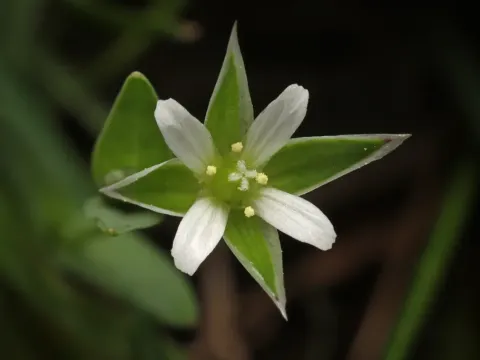
Moenchia is a genus of annual herbaceous plants belonging to the Caryophyllaceae family. These plants are widely recognized for their modest size and their ability to thrive in open, sunny environments where competition from taller vegetation is minimal.
What the section contains


Moenchia
The botanical structure of Moenchia includes thin, glaucous leaves arranged in opposite pairs along the stem. The flowers are typically white, consisting of four petals, and they bloom during the spring and early summer, adding a delicate texture to the landscape.
To successfully cultivate this plant, one must ensure a substrate that mimics its natural stony habitat. Excellent drainage is the most vital requirement, as Moenchia roots are highly susceptible to rot when exposed to consistently waterlogged soils for extended periods.
Regarding climatic requirements, the plant prefers regions with cool to moderate temperatures and plenty of direct sunlight. It is relatively drought-tolerant once established, but it requires regular monitoring during the germination phase to ensure consistent development.
In terms of agricultural and horticultural use, Moenchia is primarily valued as a decorative plant in rock gardens and specialized xeriscapes. While not a commercial crop, its unique aesthetic properties make it a subject of interest for enthusiasts of wild-type floral displays.
The main pathological threats to Moenchia are fungal infections, such as damping-off or root rot, which are often exacerbated by poor ventilation and excessive surface humidity. Ensuring good air circulation around the plants is essential for maintaining a healthy growth cycle.
Common pests include small slugs and snails that can quickly defoliate young seedlings. Integrated pest management strategies, such as physical barriers or maintaining a weed-free zone around the planting site, are effective methods for minimizing such damage.