
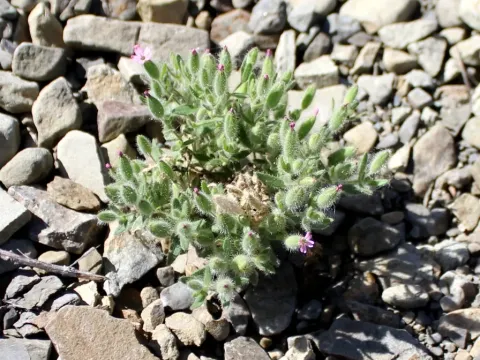
Oriental soapwort
Saponaria orientalis
Oriental soapwort (Saponaria orientalis) is an annual herbaceous plant belonging to the Caryophyllaceae family. Naturally occurring in the Eastern Mediterranean, this species has gained interest in agriculture due to its high saponin content, which makes it a valuable candidate for industrial and pharmaceutical extraction.
What the section contains
Oriental soapwort
Sowing typically takes place in early spring once the threat of frost has passed. Seeds are shallow-sown in rows, ensuring adequate space between plants to facilitate canopy development and light penetration, which are essential for vigorous growth during the early stages of the crop cycle.
The crop thrives in full sun exposure. It is highly sensitive to shade, which can lead to etiolation and a significant decrease in the accumulation of saponins in the plant tissues. Selecting a site with optimal sunlight is the most critical factor for successful commercial cultivation.
Soil requirements are relatively modest, though the plant requires excellent drainage to prevent root rot. It prefers sandy or loamy textures that do not retain excess water, as the species is adapted to semi-arid climates where soil oxygenation is typically high.
Agronomic management involves standard inter-row cultivation to eliminate weeds and maintain soil structure. Although Saponaria orientalis is drought-tolerant, supplemental irrigation during the seedling stage can significantly enhance establishment and final biomass production in dry seasons.
The most common disease threat is powdery mildew, particularly in environments with high humidity and poor airflow. Managing the density of the planting is essential to ensure adequate ventilation, which significantly reduces the incidence of fungal pathogens affecting the foliage.
Pests such as aphids and spider mites may occasionally infest the plants during stress conditions. IPM (Integrated Pest Management) strategies are recommended, focusing on early detection and targeted treatments to preserve the purity of the crop for its later extraction processes.