
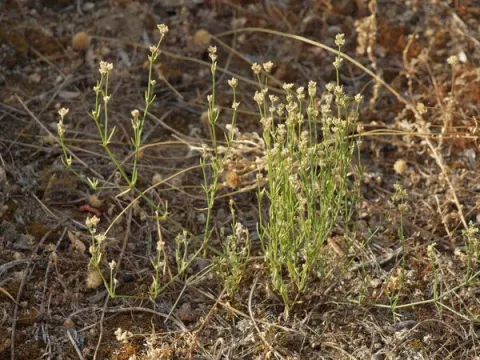
Ortegia
Ortegia
Ortegia hispanica, a distinct plant of the Caryophyllaceae family, requires warm and stable weather conditions for successful seed germination and initial development.
What the section contains
Ortegia
The optimal sowing time is late spring, once the risk of frost has completely passed and the soil temperature has consistently exceeded 15 degrees Celsius.
Given the very small size of the seeds, they should be sown shallowly, ideally at a depth of no more than 1 to 2 centimeters to ensure adequate oxygen access.
Practicing seed pre-treatment or priming can significantly improve germination uniformity, especially in regions with slightly shorter growing seasons.
Proper spacing between plants is crucial to avoid overcrowding, which helps in reducing competition for light and nutrients during the plant's early growth stages.
As a Mediterranean species, Ortegia thrives in environments characterized by high levels of solar radiation and well-drained, porous soil structures.
The plant demonstrates a strong preference for sunny locations, as it relies on intense light for its metabolic processes and the development of its rigid stems.
Soil composition should ideally be sandy or stony, mimicking the plant's natural habitat; avoiding heavy, water-retaining clay soils is essential for long-term health.
Ortegia is highly sensitive to root moisture levels; therefore, irrigation should be managed with extreme caution to prevent waterlogging and subsequent root decay.
The plant has adapted to alkaline or neutral soil pH conditions, making it relatively resilient in soils where other more nutrient-demanding crops might struggle.
The agricultural productivity of Ortegia is largely determined by the intensity of light exposure and the presence of adequate drainage in the cultivated area.
Under optimal conditions, the plant produces a dense, branching structure, yielding a consistent amount of green biomass throughout the warm summer months.
Seed production is generally modest and requires manual attention during the harvest phase to prevent premature shedding of the seeds from the capsules.
Agronomic studies suggest that minimal fertilization, specifically avoiding excess nitrogen, leads to more robust plants with better structural integrity.
Yield management depends heavily on selecting the correct phenological stage for harvesting, which ensures the highest quality of the final plant material.
The primary threats to Ortegia crops include fungal pathogens that emerge under conditions of high humidity, particularly those affecting the root and collar zones.
Pest infestations, such as aphids or spider mites, can become problematic during hot and dry spells, necessitating regular monitoring of the foliage.
Poor ventilation within the crop canopy significantly increases the risk of disease spread, making proper row spacing an essential preventive measure.
Soil-dwelling larvae can sometimes cause damage to the root system, emphasizing the importance of site selection and potential pre-planting soil preparation.
Biological control methods are preferred, as the plant can be sensitive to certain synthetic chemical treatments often used in standard intensive agriculture.
Harvesting the plant for seed purposes is a selective process, as the seed capsules mature at different rates throughout the plant's canopy.
To maximize yields, the capsules should be collected just before they open, ensuring that they are dried thoroughly in a well-ventilated, shaded area.
If the plant is intended for botanical or ornamental use, harvesting should take place during the peak of the flowering period to capture the highest concentration of pigments.
Post-harvest handling requires careful drying on screens to ensure air circulation reaches all parts of the material, preventing any risk of mold growth.
Cleaning the seed material from debris is best accomplished using fine-mesh sieves, which help maintain high standards of purity for subsequent seasonal plantings.