
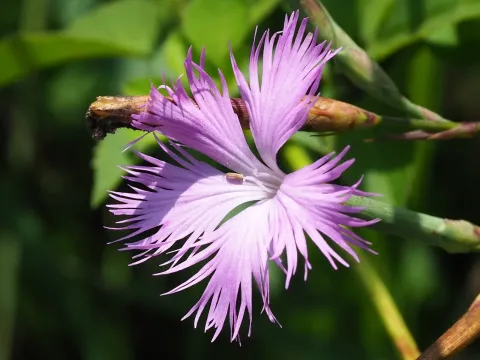
Long-calyx pink
Dianthus longicalyx
Sowing seeds of Dianthus longicalyx is typically performed in early spring once the soil temperature consistently reaches 15–18 degrees Celsius. For professional cultivation, greenhouse sowing is preferred to ensure a uniform growth rate before transplanting into open ground.
What the section contains
Long-calyx pink
The substrate for sowing must be light, nutrient-rich, and possess excellent drainage properties. Seeds should be buried shallowly, maintaining consistent humidity levels during the germination phase to ensure a high percentage of successful sprout emergence.
Adequate light exposure is crucial during the early stages of plant development to prevent weak, spindly growth. Pricking out should be carried out after the formation of the first two sets of true leaves, allowing for robust root development before moving the plants to permanent beds.
Field transplantation should only occur after the risk of late spring frosts has completely passed. Acclimatization of the seedlings through a hardening period outdoors will significantly increase their resilience once they are permanently established in the garden soil.
For optimal development, the recommended planting pattern involves spacing plants 20 to 30 centimeters apart. This spacing is vital for air circulation, which prevents the build-up of excess moisture and reduces the likelihood of fungal outbreaks in the foliage.
Dianthus longicalyx belongs to the Caryophyllaceae family and is recognized for its unique elongated calyx. Naturally originating from East Asian regions, it thrives in well-lit environments and is commonly utilized for ornamental landscaping and floral production.
The plant requires well-drained, sandy loam or loamy soil types. Standing water is extremely detrimental to the roots, necessitating elevated beds or the incorporation of gravel into the soil structure if natural drainage is insufficient for the plant's health.
Climatic requirements focus on moderate humidity and protection from severe, drying winds. While the plant is relatively cold-hardy, in harsher climates, a protective layer of mulch or seasonal covering is highly recommended to protect the root crown from extreme winter temperatures.
Agronomic maintenance includes regular weeding and soil cultivation to maintain surface aeration. Fertilization should be balanced, focusing on phosphorous and potassium intake during the bud formation stage to ensure high-quality flower production and vigorous growth throughout the season.
Watering practices should focus on the base of the plant, avoiding the foliage as much as possible. This moisture management technique is essential for maintaining plant health, especially in warm, humid regions where fungal diseases may otherwise thrive.
Common pests affecting Dianthus longicalyx include spider mites and aphids, which are particularly problematic in hot, dry conditions. These insects target the undersides of the leaves, and quick intervention is necessary to prevent significant damage to the floral crop.
Fungal pathogens like rust and leaf spot are the most frequent threats, typically occurring due to poor air circulation or overwatering. These diseases manifest as unsightly spots on the foliage and can lead to plant decline if not treated with appropriate systemic fungicides.
Proactive disease management involves strictly adhering to crop rotation schedules and removing any garden debris that could harbor pathogen spores during the off-season. Maintaining high hygiene standards in the field is a cornerstone of professional plant protection.
When chemical intervention is required, it is essential to choose products that minimize impact on beneficial insects such as bees and ladybugs. Targeted applications during the early morning or evening hours provide the best balance of efficacy and environmental safety.
- Regular inspection of leaf undersides.
- Removal and disposal of infected plant material.
- Monitoring soil moisture levels consistently.
In a commercial agricultural setting, Dianthus longicalyx is cultivated specifically for the cut flower market. Harvesting should occur when the buds have achieved their characteristic color but are not yet fully open, ensuring maximum vase life for the final consumer.
Using sterilized, razor-sharp shears is vital to make clean cuts, preventing the entry of pathogens into the stem tissue. The best time for harvest is during the early morning hours, when the plant's internal water pressure is at its peak.
After cutting, flowers must be moved immediately to clean water, preferably with added preservatives to maintain hydration and delay wilting. Proper storage temperature is also key to maintaining the product’s quality during transit to the point of sale.
For non-commercial garden settings, deadheading spent flowers is a critical maintenance practice. By removing old blooms before seeds develop, the gardener forces the plant to redirect its energy toward new shoot and bud formation, extending the flowering period.
Seeds are harvested from fully ripened pods that have turned brown and dry. Once collected, the seeds should be winnowed to remove chaff and stored in paper envelopes in a cool, dark environment to maintain viability for the following growing season.