
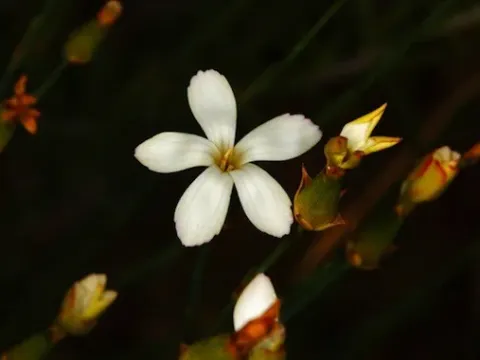
Anatolian carnation
Dianthus anatolicus
Anatolian carnation, a member of the Caryophyllaceae family, is a perennial herbaceous plant. In its natural habitat, it propagates by seeds, which are sown in open ground either in spring after the soil warms up or in late autumn to benefit from natural stratification.
What the section contains
Anatolian carnation
For seedling production, seeds are sown in containers during March using a light, well-draining substrate mixed with sand. The trays should be kept at moderate temperatures, ensuring the soil remains consistently moist until germination occurs.
Seedlings are pricked out when the first two or three pairs of true leaves appear. The plant exhibits good germination vigor, but it requires adequate lighting to prevent the stems from becoming thin and leggy during the early stages of development.
Transplanting to the permanent location should take place after the risk of late spring frosts has passed. Plants should be spaced 20 to 30 centimeters apart to ensure proper ventilation, which is crucial for reducing the risk of fungal infections.
Propagation is also feasible through the division of mature clumps in early spring or late summer. This method helps maintain the plant's varietal characteristics and ensures more robust growth, often allowing the plant to flower within the same season.
This crop requires specific soil conditions, preferring well-drained sandy loam or loamy soils with a neutral to slightly alkaline pH. Waterlogging in the root zone is detrimental to the plant and must be avoided to prevent root rot.
The plant is heliophilic and drought-tolerant, so it should be planted in areas with maximum sun exposure. Shade inhibits growth, leads to poor flowering, and negatively impacts the overall decorative appearance of the plant.
The optimal temperature range for vegetation is between +18 and +25 degrees Celsius. The species exhibits good cold hardiness in temperate climates, although in regions with snowless winters, light protective mulching or fleece is recommended.
Cultivation practices include regular weeding and shallow loosening of the soil. Caution must be taken during these tasks to avoid damaging the shallow root system, which is essential for the plant's nutrient uptake.
Watering should be moderate, performed only when the top layer of the soil has dried out. During the peak flowering period, moisture requirements increase, but irrigation should avoid wetting the foliage to minimize the potential for fungal pathogen development.
The main threats to this crop are fungal diseases, such as fusarium wilt and various leaf spots. These typically develop in conditions of high humidity and poor air circulation around the base of the plant.
To prevent the spread of diseases, crop rotation should be practiced, avoiding sites where other Caryophyllaceae members have been grown previously. Prophylactic treatments with biological fungicides can be effective throughout the growing season.
Among the pests, spider mites and thrips are the most common, feeding on the cell sap of the leaves. Their presence is indicated by yellowing and distortion of the leaf blades, often accompanied by fine webbing on the underside of the foliage.
Aphids can cause significant damage to young buds, depleting them of nutrients. Pest management usually involves the application of systemic insecticides, ensuring that treatments are performed during cooler times of the day to avoid leaf burn.
Regular monitoring of the plants allows for the early detection of localized infestations or outbreaks, enabling timely intervention. Maintaining a healthy microclimate and pruning spent flower stalks helps boost the plant's overall resilience.