
Arenaria armerina
Arenaria armerina
Description
Growing requirements
Arenaria armerina is a perennial herbaceous plant belonging to the Caryophyllaceae family. Naturally occurring in mountain ranges, this species has evolved to thrive in rocky, high-altitude environments, making it a robust choice for specific landscape applications.
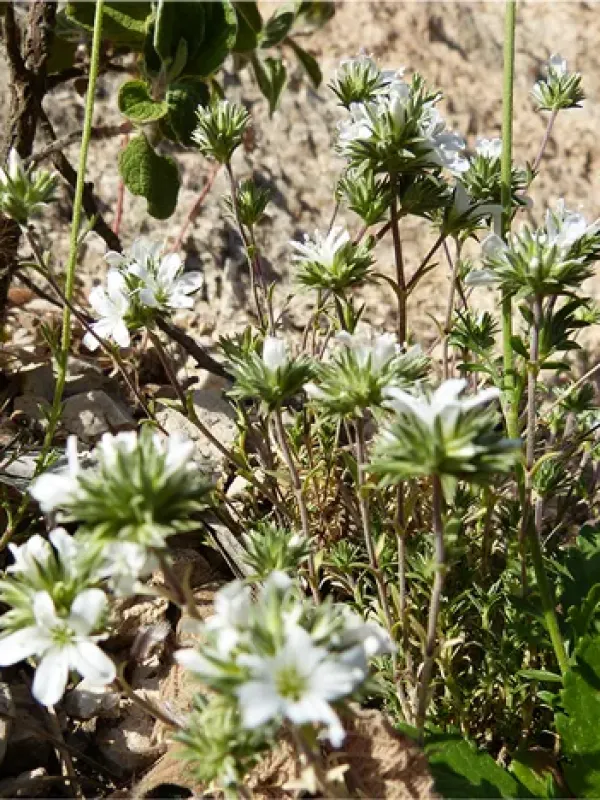
Botanically, the plant is characterized by its compact, cushion-forming habit. The leaves are narrow and linear, often described as resembling those of Armeria, forming dense basal rosettes that provide excellent ground cover throughout the growing season.
Cultivation requirements for Arenaria armerina focus heavily on drainage. The plant demands lean, sandy, or rocky soils with excellent permeability. It does not tolerate rich organic soils or waterlogged conditions, which can lead to rapid root decline.
Sun exposure is critical for the development of healthy, dense growth. Ideally, these plants should be placed in full sun, where they can maintain their characteristic cushion form without becoming "leggy" or prone to fungal infections due to lack of airflow.
In terms of agricultural and horticultural utility, this species is highly valued for rock gardens, crevice plantings, and alpine troughs. Its resilience to drought and poor soil quality makes it an essential component of xeriscaping projects.
Main diseases and pests
The primary threat to the health of Arenaria armerina is crown rot, typically caused by poor soil drainage or excessive mulch contact during wet winters. Proper site selection and the use of grit mulch are essential preventive measures.
Fungal pathogens such as powdery mildew may appear during periods of high humidity and poor ventilation. Maintaining adequate spacing between individual plants ensures sufficient air circulation, which is the best way to discourage fungal spread.
Gastropods, such as slugs and snails, can be a nuisance by grazing on the succulent foliage. Monitoring for these pests during early spring is recommended, as they can cause significant aesthetic damage to the compact growth form.
Aphids can occasionally infest the plant, particularly during stressed conditions or periods of imbalanced growth. Application of systemic insecticides is an effective management strategy if cultural controls, such as manual removal or water spraying, fail.
Avoiding overhead irrigation and ensuring the foliage stays dry is a key horticultural practice for this species. When watering is necessary, applying it directly to the root zone helps keep the plant foliage healthy and disease-free.