
Andronaki's Pink
Dianthus andronakii
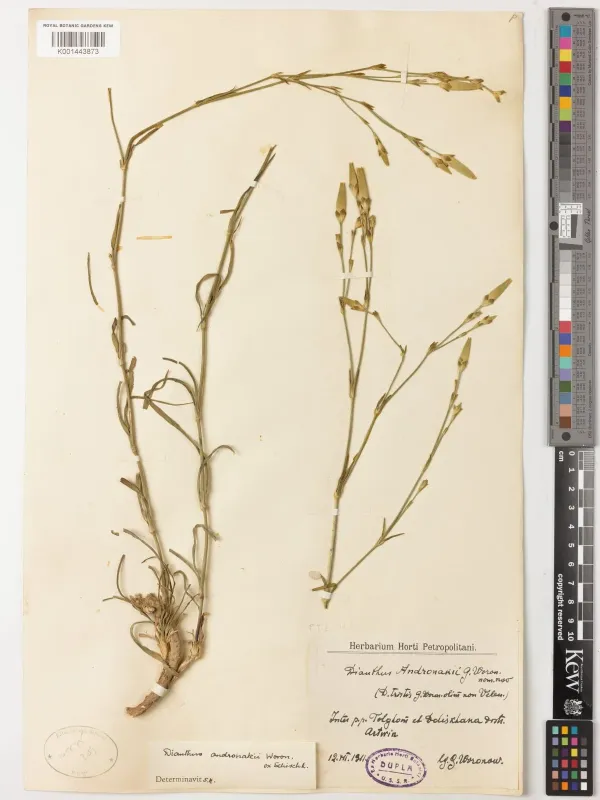
Description
Sowing dates
The sowing process for Dianthus andronakii usually takes place in early spring once the soil temperature is sufficiently warm. High-quality seeds are necessary, as the germination rate can vary depending on the freshness of the material.
When sowing, seeds should be covered with only a very thin layer of substrate, as they require light to germinate effectively. Maintaining a consistent, light moisture level is crucial during the initial stages of development.
Indoor sowing is often preferred to protect delicate seedlings from unpredictable spring weather. Once the plants develop two pairs of true leaves, they should be gradually hardened off before being transplanted into the permanent outdoor location.
Proper spacing is vital when planting. Allowing 20-30 centimeters between plants ensures sufficient airflow, which is critical for reducing the risk of fungal infections in the plant's dense foliage.
Agricultural practice should include regular weeding, as the plant is a poor competitor against faster-growing weeds. Keeping the base of the plant clear of debris is also important to prevent localized humidity spikes.
Growing requirements
Andronaki's Pink (Dianthus andronakii) is a perennial herbaceous plant belonging to the Caryophyllaceae family. This species is highly valued for its ability to thrive in mountain environments, exhibiting unique adaptations to rocky substrates and harsh conditions.
The plant is characterized by a compact growth habit, forming dense mats of narrow, glaucous leaves. This foliage structure is a physiological adaptation that minimizes water loss through transpiration, allowing the plant to survive in high-sunlight locations.
Strict light requirements are a key aspect of its biology. To ensure healthy growth and profuse flowering, the plant must be placed in a fully sunny area. Even partial shade can lead to leggy, weak stems and a significant decline in overall plant vigor.
Soil requirements focus on excellent drainage and a neutral to slightly alkaline pH. The plant is intolerant of waterlogged soil, which can cause rapid root decay. Adding gravel or coarse sand to the planting site is essential for long-term survival.
In terms of climate, the species prefers regions with dry, warm summers and manageable winters. While it is hardy against cold temperatures, the combination of excessive moisture and freezing temperatures during winter is often fatal for this delicate plant.
Main diseases and pests
Root rot is the most common threat to this species, typically caused by poor soil drainage or over-watering. Improving site aeration and using mineral-based mulch can help mitigate these risks significantly.
Leaf spot diseases can occur during prolonged periods of high humidity. Regular inspection of the plant's foliage is recommended, and the removal of affected parts can prevent the further spread of fungal spores.
Common pests such as spider mites may target the plant during hot, dry summer months. Biological control measures or specialized insecticidal soaps are effective in managing pest populations without damaging the plant.
Aphids can also congregate on the stems of the plant, drawing nutrients and weakening it. Early detection through weekly monitoring allows for quick intervention before the infestation becomes severe.
Nematode pressure on the roots is another potential, albeit harder to detect, threat. Using clean, pathogen-free soil media when starting plants is the best preventative measure against these soil-borne pests.