
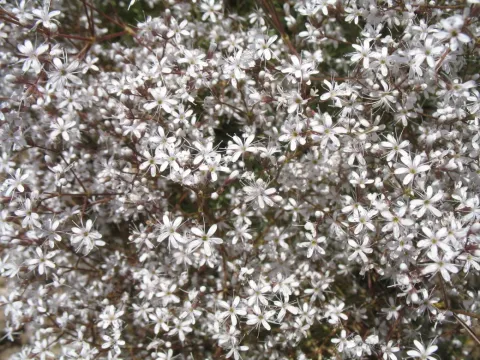
Acanthophyllum
Acanthophyllum
Acanthophyllum is a genus of perennial herbs and shrubs belonging to the Caryophyllaceae family. These plants are naturally distributed across the arid regions of Central and Western Asia, where they thrive in rocky, desert-like terrains.
What the section contains


Acanthophyllum
Botanically, Acanthophyllum is characterized by its stiff, spinose leaves and a robust taproot system that allows the plant to access deep-seated groundwater. The plants are highly adapted to extreme temperature fluctuations and survive in nutrient-poor, saline soils.
To successfully cultivate Acanthophyllum, it is critical to provide a well-drained, porous soil environment. Waterlogging must be strictly avoided, as the plant is highly susceptible to root decay if moisture levels are kept constantly high.
The climate requirements include high levels of solar radiation and low precipitation. The plant is drought-tolerant, making it an excellent candidate for cultivation in arid zones where traditional irrigation-heavy crops cannot be grown successfully.
Agronomic practices focus on slow initial growth cycles. Proper seed preparation and precise sowing depth are essential for establishing a healthy crop. Weed management is crucial during the early stages of development as seedlings are not competitive.
The main commercial value of Acanthophyllum lies in its roots, which are a concentrated source of triterpenoid saponins. These natural foaming agents have significant industrial applications, ranging from textile processing to the manufacturing of specialty pharmaceuticals.
Harvesting involves the mechanical extraction of the roots after the plant has matured sufficiently, which may take several years. The process requires careful handling to maintain the integrity of the root system and maximize the yield of active ingredients.
Post-harvest processing involves washing the roots to remove debris, followed by efficient drying. Maintaining the correct moisture content is essential to prevent degradation of the active saponin compounds during storage and subsequent transportation.
Industrial use of the extracted substances includes their application as emulsifiers in food production and as natural cleansing agents in cosmetic formulations. The stable demand for bio-based surfactants drives interest in the cultivation of this genus.
Future agricultural research is directed towards identifying higher-yielding accessions and optimizing harvest intervals to maximize economic output while ensuring the sustainability of the cultivated populations.