
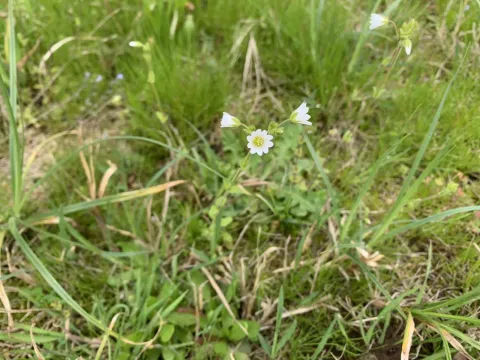
Cerastium ligusticum
Cerastium ligusticum
Cerastium ligusticum is a perennial herbaceous plant belonging to the Caryophyllaceae family. This species originates from Mediterranean regions, where it has adapted to rocky, well-drained, and sunny environmental conditions.
What the section contains
Cerastium ligusticum
The sowing of this crop typically begins in early spring, once the soil has sufficiently warmed up. Direct seeding in open ground is best executed in April, ensuring the substrate is prepared to a fine, loose texture to facilitate germination.
Seeds should be sown at a shallow depth, usually not exceeding 1 centimeter. Proper soil moisture is critical during the first few weeks to ensure that the small seeds are able to sprout without drying out or being washed away.
For those utilizing the transplanting method, sowing in greenhouses is recommended in late winter. This enables growers to nurture strong seedlings before transferring them to the outdoor garden beds as temperatures stabilize in May.
When transplanting, spacing is essential to encourage healthy spread and aeration. A distance of approximately 20 to 25 centimeters between individual plants is recommended to allow the perennial to form a dense, healthy mat.
This crop is highly light-demanding, requiring full exposure to sunlight for optimal growth and flowering. Planting in shaded areas leads to etiolation, where stems become weak and elongated, significantly reducing the plant's aesthetic value.
Well-drained soil is a non-negotiable requirement for Cerastium ligusticum. Sandy or gritty soil compositions are preferred, as they prevent water stagnation which can cause rapid decay of the plant's sensitive root system.
Neutral or slightly alkaline pH levels are ideal for this species. Soil acidity should be corrected using agricultural lime if necessary, as high acidity levels may stunt the development and vigor of the young plants.
The plant exhibits excellent drought tolerance, making it a low-maintenance choice for dry landscapes. Once established, it requires minimal irrigation, surviving on natural rainfall even in the hot, dry summer months.
Fertilization should be kept to a minimum to maintain the compact, natural growth habit of the plant. Over-fertilizing with nitrogen promotes excessive foliage at the expense of floral display and overall hardiness.
Root rot is the most common threat to Cerastium ligusticum, almost always caused by excessive soil moisture or poor drainage. Ensuring the planting area has a slight slope or added drainage material can mitigate this risk.
Powdery mildew can occasionally affect the foliage, especially in humid or stagnant air conditions. Improving airflow through wider plant spacing is the most effective cultural method to prevent fungal outbreaks during the growing season.
Aphids can be problematic for young shoots, potentially affecting plant vigor. Integrated pest management, including regular monitoring and the use of insecticidal soaps, is usually sufficient to handle these minor infestations.
Maintaining a weed-free environment is essential to ensure the plant does not have to compete for resources. Weeds often harbor pests and fungal spores that can easily transfer to the Cerastium, causing secondary infections.
Sanitation of the planting area by removing dead foliage at the end of the season helps reduce the overwintering of pathogens. Keeping the plants clean and healthy is the primary defense strategy for any grower.