
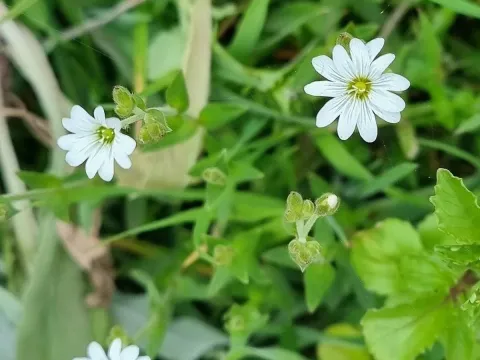
Cerastium vagans
Cerastium vagans
Cerastium vagans is a perennial herbaceous plant belonging to the Caryophyllaceae family. Known for its creeping growth habit, it is widely recognized for its ability to form dense mats that can effectively cover open ground spaces.
What the section contains
Cerastium vagans
Originating from regions with temperate climates, this species is well-adapted to environments that feature well-drained, porous soils. It is particularly effective in stabilizing sandy or stony substrates due to its resilient root system.
The cultural requirements for Cerastium vagans focus on providing ample sunlight and excellent drainage. It thrives in open fields and is highly intolerant of waterlogged conditions, which can be detrimental to its overall health and development.
Regarding soil preferences, it performs best in neutral to slightly acidic soil conditions. While it does not require heavy fertilization, moderate organic soil enrichment can help promote stronger vegetative growth during the early spring months.
Temperature resilience is a hallmark of this plant, as it can withstand cold spells and fluctuating weather conditions. Its ability to survive in harsh environments makes it a reliable choice for land conservation and ornamental ground cover in agricultural settings.
The primary threats to Cerastium vagans are soil-borne pathogens, particularly fungi that thrive in overly wet environments. Root rot is the most common issue observed when drainage systems are inadequate for the local rainfall patterns.
Pests such as aphids represent a recurring challenge during the active growing season. These insects feed on the tender tips of the plants, which can stunt development and diminish the plant's capacity for photosynthesis.
Effective management strategies include the implementation of preventative fungicides if conditions become consistently humid. Ensuring adequate spacing between plants allows for better air circulation, which is critical in preventing mildew development.
Sanitation practices, such as the removal of dead plant material at the end of the season, play a crucial role in reducing the survival rates of common pests and disease spores. Maintaining a clean field environment is essential.
Monitoring for signs of nutrient deficiency or water stress is recommended throughout the year. Providing targeted support, such as occasional weeding, ensures that the plants remain healthy and competitive against invasive weed species.