
Cerastium ramosissimum
Cerastium ramosissimum
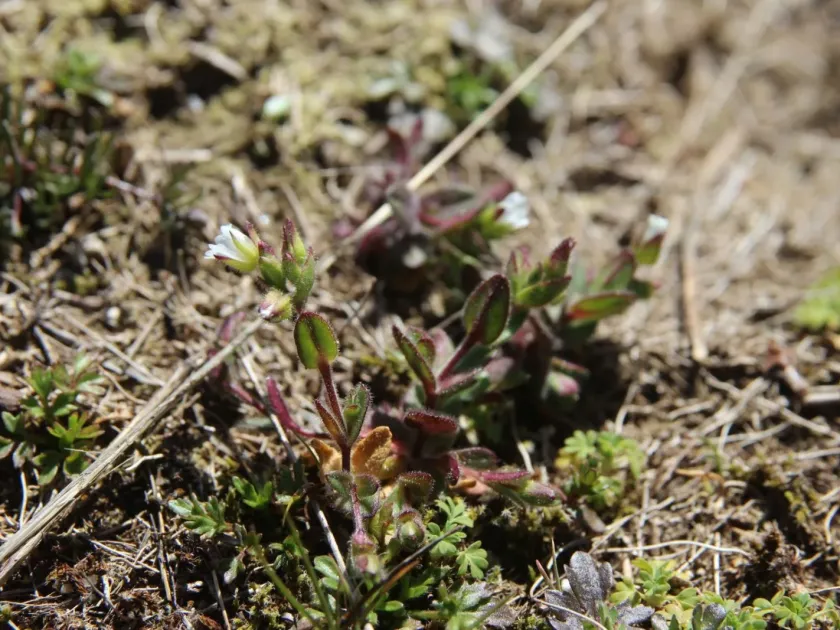
Description
Growing requirements
Cerastium ramosissimum is a herbaceous plant belonging to the Caryophyllaceae family. In an agricultural context, it is often valued for its resilience in various soil types and its ability to cover ground effectively, serving as an ecological stabilizer for certain landscapes.
The plant thrives best in well-drained, sandy or gravelly soils that do not retain excess moisture. It is highly adapted to environments where water drainage is efficient, making it a suitable candidate for areas where other crops might suffer from root rot due to waterlogged conditions.
Regarding climatic requirements, this species prefers sun-exposed locations with low to moderate humidity. It demonstrates significant tolerance to heat and solar radiation, allowing it to remain viable in climates where high temperatures typically cause stress to more delicate botanical species.
Agricultural management requires careful weed control during the establishment phase, as the plant may compete poorly with faster-growing weeds. Once established, it requires minimal intervention, though periodic monitoring for nutrient deficiencies helps maintain optimal growth patterns throughout the season.
Its primary agricultural use is related to ground cover and slope stabilization to minimize soil erosion. Furthermore, it serves as a beneficial plant for biodiversity, providing a forage source for pollinators and contributing to the stability of field margins in complex agro-ecosystems.
Main diseases and pests
Fungal pathogens such as powdery mildew and various root rots represent the most significant threats to Cerastium ramosissimum. These diseases are most prevalent in conditions with poor airflow or where moisture levels remain consistently high for extended periods.
Pest management should focus on monitoring for aphids and similar sap-sucking insects that can inhibit the development of young shoots. Implementing integrated pest management strategies helps to mitigate these threats without causing harm to the surrounding environment and beneficial insect populations.