
Arenaria huteri
Arenaria huteri
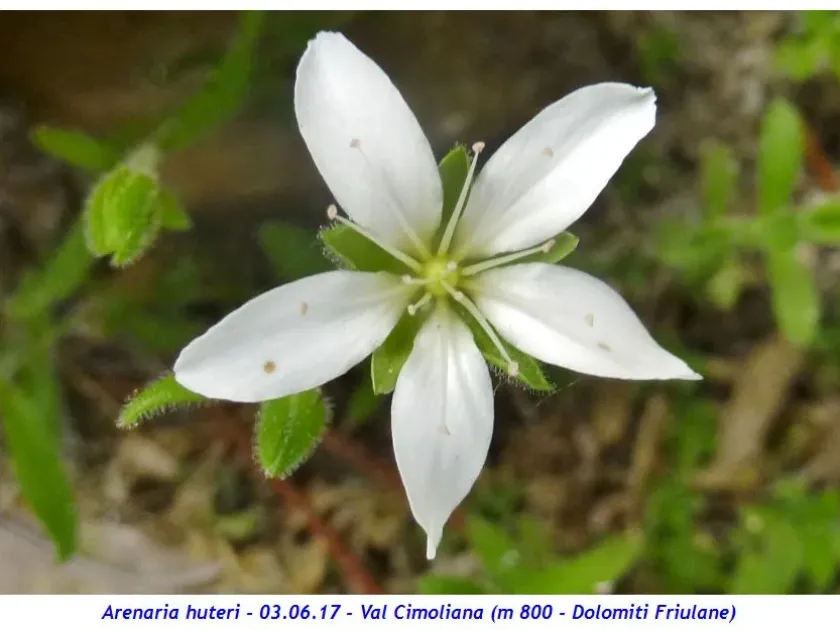
Description
Sowing dates
The propagation of Arenaria huteri typically begins in early spring, once soil temperatures stabilize. Seeds require a cold stratification period of approximately one month to break dormancy and ensure uniform germination.
Surface sowing is necessary because the seeds are extremely small and photosensitive. They should be pressed gently into a well-draining, sterile substrate and kept consistently moist until emergence.
Germination usually takes between two to three weeks under optimal light conditions. It is crucial to maintain high humidity around the seedlings during the first few weeks, gradually decreasing it as they develop.
Once seedlings have formed a small rosette, they can be transplanted into individual containers. A gritty mix consisting of volcanic rock, sand, and a small amount of peat is recommended for successful development.
Planting in the garden should be done after the danger of severe frost has passed. Spacing plants 15–20 centimeters apart ensures enough room for the characteristic compact mat to form over the season.
Growing requirements
Arenaria huteri is a member of the Caryophyllaceae family, specifically adapted to high-altitude stony environments. It thrives in conditions that mimic its natural mountainous habitat, requiring plenty of sun and excellent air circulation.
The soil must be exceptionally lean and mineral-rich, avoiding high levels of organic nitrogen which can lead to leggy, unhealthy growth. A neutral or slightly alkaline pH is ideal for maintaining the plant's health.
Water management is the most critical aspect of care. The substrate must be porous enough to prevent any water logging, which is the primary cause of root rot in this species during winter months.
This alpine species requires full exposure to natural light. In low-light conditions, the compact mat structure breaks down, and the plant becomes susceptible to opportunistic fungal infections.
Mulching the surrounding area with small gravel or grit is a standard practice to keep the foliage off the soil, preventing rot and maintaining the clean, rocky look characteristic of the species.
Main diseases and pests
The primary threats to Arenaria huteri are fungal pathogens like root rot and crown rot. These issues are almost exclusively associated with improper drainage and prolonged exposure to stagnant water.
Powdery mildew can occasionally affect the foliage during humid, stagnant periods of the year. Ensuring proper air movement and avoiding overhead irrigation can significantly reduce the risk of this infection.
While generally resistant to many common pests, spider mites can become an issue during hot, dry summer periods. Regular monitoring and the application of mild horticultural oils can manage these outbreaks.
Slugs and snails may browse on the tender spring growth. Surrounding the plants with a physical barrier of sharp crushed stone or grit is a highly effective way to prevent these pests from reaching the rosettes.
Sanitation is key; removing dead leaves and debris from the center of the cushion throughout the season helps prevent the buildup of moisture and decay, protecting the plant's structural integrity.
Harvesting
The primary use of Arenaria huteri is aesthetic, specifically in rock gardens, scree slopes, and trough gardens. Its ability to form dense, resilient mats makes it a prized specimen for alpine enthusiasts.
Seed harvesting should occur when the seed capsules transition from green to a straw-like brown color. Seeds must be cleaned and dried in a cool, dark place to maintain viability for future sowing.
There is no industrial or agricultural use for this plant; its value lies in biodiversity conservation and ornamental horticulture. It is often kept in private collections or by specialized nurseries.
Vegetative propagation via division of mature plants is a reliable way to expand a collection. This is best performed in the early spring or autumn to allow the roots to re-establish in cooler weather.
Because the plant retains its foliage throughout the growing season, it remains a valuable design element for rockeries, providing color and texture even when it is not in its primary blooming phase.