
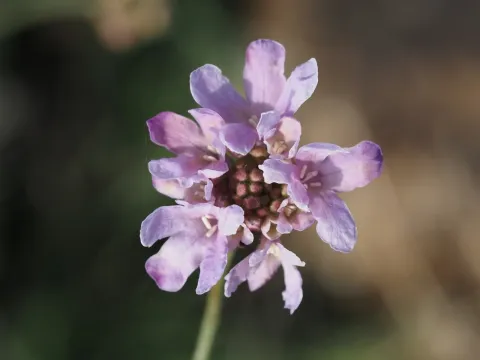
Sixalix
Sixalix
Sixalix, a member of the Caprifoliaceae family, is typically sown in early spring once the soil temperatures stabilize. Aiming for a depth of 1 to 2 centimeters ensures optimal moisture levels for germination while allowing the shoots to break through the soil surface efficiently.
What the section contains
Sixalix
If utilizing a nursery approach, seeds should be sown in trays during March, providing a controlled environment. This method facilitates stronger root development before the final transplantation into the field once frost risks have passed.
In direct seeding, maintaining a row spacing of 30 to 45 centimeters is standard practice. This spacing provides enough airflow and light penetration to reduce humidity around the base of the plant, which is crucial for overall health.
The seeding rate should be adjusted based on the specific variety and intended density. Using high-quality, certified seeds significantly improves the uniformity of the crop throughout the entire growing season.
Strategic timing is essential; sowing too early in cold, wet soil can lead to seed rot. Waiting for consistent daytime temperatures between 10 and 15 degrees Celsius provides the best foundation for successful crop establishment.
Sixalix thrives in full sun exposure, which is vital for the development of its distinctive floral structures. Plants grown in areas with partial shade often exhibit reduced flowering intensity and less vibrant color profiles.
Well-drained, sandy loam soils are ideal for this crop. It does not tolerate heavy, waterlogged soils, as poor drainage is the primary cause of root-related failures. Soil pH levels should be maintained between 6.5 and 7.5 for maximum nutrient uptake.
Water requirements are moderate, with a need for consistent moisture during the active vegetative growth phase. However, established plants exhibit a degree of drought tolerance, making them suitable for various climate zones.
Nutrient management focuses on balanced NPK applications early in the season, followed by potassium-rich fertilizers as the plant enters the budding stage. This supports stronger stems and longer-lasting blooms.
Soil aeration is beneficial, especially in denser soil types. Periodic mechanical cultivation between rows helps eliminate competing weeds and improves soil structure, which encourages deeper root penetration and plant resilience.
Root rot caused by fungal pathogens remains the most significant threat to Sixalix, particularly in regions with high rainfall or inadequate drainage. Proactive management involves ensuring the soil structure allows for rapid water percolation.
Pests such as aphids and spider mites can cause localized damage during dry spells. Monitoring the undersides of leaves is essential for early detection, as these populations can grow exponentially if not treated in a timely manner.
Powdery mildew represents a seasonal risk during periods of high humidity and temperature fluctuations. Applying systemic fungicides at the first sign of white mycelial patches can prevent the spread of the infection.
Integrated pest management is highly recommended for Sixalix cultivation. This involves the use of beneficial insects, trap crops, and the careful selection of eco-friendly pesticides to protect the local pollinator population.
Good cultural practices, such as removing debris and thinning dense canopies, go a long way in reducing the presence of both pests and diseases. Maintaining a hygienic field environment is the most effective preventative measure.