
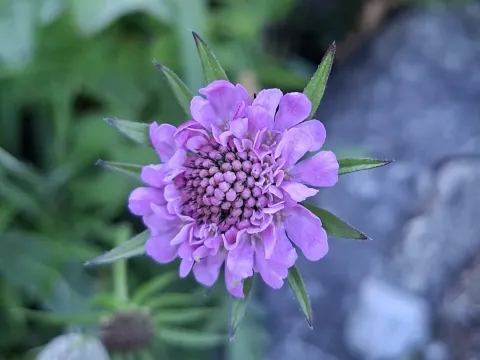
Shining scabious
Scabiosa lucida
Sowing of Scabiosa lucida seeds is typically performed in the spring, once the soil temperature is consistently above 10 degrees Celsius, ensuring optimal germination conditions.
What the section contains
Shining scabious
For a head start, seeds can be sown indoors in late winter, placed in a bright location with moderate temperatures, and transplanted outdoors after the final frost.
When sowing directly into the garden, seeds should be covered lightly with a thin layer of soil, as they require some light to stimulate the germination process.
Maintaining consistent soil moisture is crucial during the initial weeks of seedling growth to ensure successful establishment and future development of the plant.
Thinning the seedlings is recommended once they reach a height of 5–10 cm to provide sufficient space, typically 30 cm between plants, for proper airflow.
The shining scabious thrives in full sun exposure, which is necessary for vigorous growth and the production of its characteristic bright flower heads.
The plant prefers well-draining, moderately fertile soil with a neutral to slightly alkaline pH, making it highly suitable for rock gardens and sunny borders.
Avoid planting in heavy or waterlogged soils, as the species is sensitive to root rot and requires good drainage to survive throughout the winter season.
While the plant is relatively drought-tolerant once established, regular supplemental watering is beneficial during peak summer temperatures to maintain flower quality.
This species is highly hardy and naturally adapted to alpine or subalpine habitats, making it a reliable choice for gardens in colder climates with well-defined seasons.
Powdery mildew is the most common fungal issue, especially in environments with high humidity and stagnant air circulation around the foliage.
Root and crown rot represent significant threats if the plant is grown in soil that does not drain well, or if the mulch is applied too closely to the stem base.
Aphids are the primary insect pests that can infest the blooming stems, causing stunted growth and reducing the ornamental value of the flowers.
Slugs and snails can pose a danger to young or tender shoots in damp weather, requiring monitoring and protective measures in early spring.
Effective management includes proper site selection to maximize air movement, careful watering practices, and prompt removal of any diseased plant tissue.