
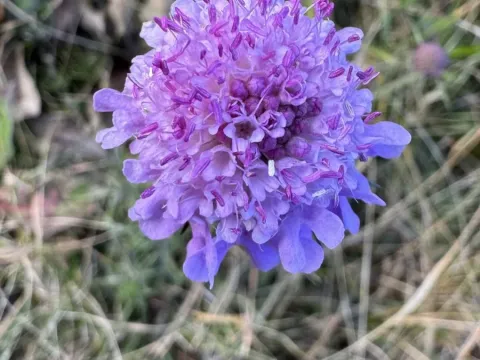
Scabiosa triandra
Scabiosa triandra
Seeds of Scabiosa triandra should be sown in early spring as soon as the soil is workable. A temperature range of 18-20°C is ideal for successful germination of the seeds.
What the section contains
Scabiosa triandra
When sowing, cover the seeds lightly with soil, as they require a certain amount of light for optimal development. Maintain consistent soil moisture throughout the germination period.
Transplanting seedlings to their final location is best performed once the threat of frost has passed. Ensure a spacing of at least 30 cm between individual plants.
For better results in commercial cultivation, using plugs for propagation is recommended, as it ensures uniformity and minimizes loss during the initial growth stage.
The plant is a perennial, and autumn sowing is possible in warmer climates to allow for early root development before the winter season begins.
As a member of the Caprifoliaceae family, this species thrives in well-drained, nutrient-rich soils. It prefers a pH balance that is slightly alkaline or neutral.
Full sun exposure is essential for Scabiosa triandra to maintain its structural integrity and produce abundant, vibrant flowers throughout the summer months.
The species is drought-tolerant once established, but requires regular watering during the first few weeks after planting to ensure deep root penetration.
Soil aeration is critical; heavy clay soils should be amended with organic matter or gravel to improve drainage and prevent root suffocation.
Fertilization with a balanced, low-nitrogen feed during the budding phase helps improve the longevity and color saturation of the floral display.
Powdery mildew is the most significant pathological threat to Scabiosa triandra, particularly in humid or stagnant air environments with poor ventilation.
Root rot caused by Phytophthora or Pythium species is common if the soil remains waterlogged for extended periods, necessitating careful irrigation management.
Aphids often target the tender flower buds, which can impede normal development. Biological control agents or insecticidal soaps are effective against these pests.
Leaf spots are often symptomatic of bacterial or fungal pathogens. Implementing good sanitation practices by removing debris helps control the inoculum pressure.
Preventative measures, such as avoiding overhead irrigation, significantly reduce the risk of foliage-based diseases in this species.