
Scabiosa triniifolia
Scabiosa triniifolia
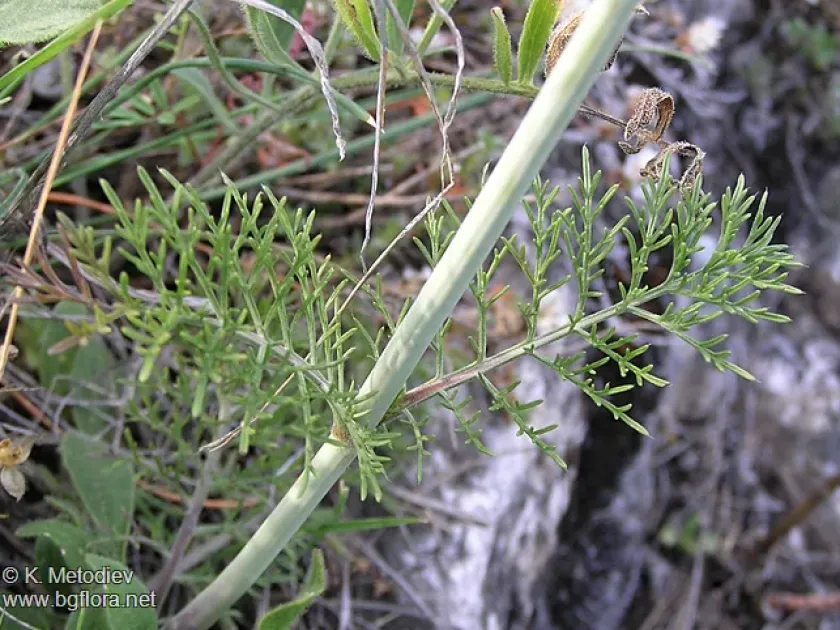
Description
Sowing dates
Seeds of Scabiosa triniifolia are typically sown in early spring once the soil has warmed up, or in autumn in milder climates. Greenhouse propagation is also highly recommended for better seedling survival.
When sowing in containers, seeds should be covered with a very light layer of soil or fine vermiculite. A temperature of 18–20 degrees Celsius is optimal for consistent germination within three weeks.
Seedlings should be pricked out into individual pots once they develop their first set of true leaves, ensuring they have sufficient space to strengthen their root systems.
Transplanting into the permanent garden location happens in late spring. It is vital to space the plants 30 to 40 centimeters apart to allow for proper airflow.
Proper timing of sowing ensures that the plants establish themselves before the heat of midsummer, leading to a more vigorous and healthy growth cycle.
Growing requirements
As a member of the Caprifoliaceae family, Scabiosa triniifolia thrives in conditions that mimic its mountainous native habitat, requiring well-drained, airy soils.
The plant prefers a sunny position and performs best in neutral to slightly alkaline, fertile loamy soil. Heavy, waterlogged soils must be amended with grit or sand to improve drainage.
Moderate irrigation is necessary during dry spells, but the plant is reasonably drought-tolerant once established. Excessive moisture around the crown can be detrimental.
Sunlight is the most critical factor for the plant's development. Full sun exposure ensures strong, upright stems and abundant flower production throughout the blooming period.
Regular maintenance, including weeding and keeping the soil loose, helps prevent soil compaction and ensures that nutrients are readily available for the plant.
Main diseases and pests
The most common disease affecting this species is powdery mildew, which appears as a white, dusty film on leaves in conditions of poor air circulation and high humidity.
Aphids can be problematic during the early growth stages, often clustering on stems and flower buds, causing deformation and general decline in the plant's health.
Root rot is a major threat caused by overwatering or poorly draining soil, which can destroy the root system very quickly if not addressed immediately.
Integrated pest management, such as the use of natural predators or targeted organic sprays, is recommended to control insect infestations without harming beneficial garden insects.
Keeping the garden clean by removing plant debris at the end of the season reduces the risk of fungal spores overwintering and infecting new growth the following year.
Harvesting
For ornamental or cut flower purposes, stems should be harvested when the flower heads are about three-quarters open to ensure maximum vase life.
If seeds are desired, the flower heads must be left on the plant until they turn brown and dry out naturally. This usually happens towards the end of the season.
Harvested seed heads should be placed in a paper bag or a dry, ventilated area to complete the drying process, followed by careful threshing to remove debris.
Deadheading faded flowers throughout the summer is essential to encourage continuous blooming, as it prevents the plant from diverting resources into seed production prematurely.
Properly cleaned seeds should be stored in a cool, dry, and dark environment to maintain viability for the following growing season.