
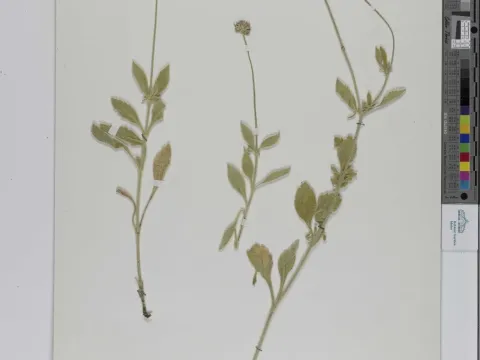
Scabiosa taygetea
Scabiosa taygetea
Sowing seeds of Scabiosa taygetea is typically conducted in late winter or early spring using a protected indoor environment to produce healthy seedlings.
What the section contains
Scabiosa taygetea
Seeds are sown in a light, well-draining substrate, maintaining a steady temperature between 18 and 20 degrees Celsius for optimal germination success.
Seedlings are pricked out into individual pots once the first set of true leaves develops to ensure sufficient space for root development.
Hardening off and transplanting into the open field should occur after the final spring frost to prevent cold damage to young plants.
Direct sowing into the garden bed is possible in late spring once the soil has warmed up, provided the area is kept free of weeds.
Scabiosa taygetea is a member of the Caprifoliaceae family, recognized as a hardy herbaceous perennial with excellent drought tolerance once established.
The plant thrives in full sun, as insufficient light will result in leggy growth and significantly reduced flowering performance throughout the season.
Well-drained, slightly alkaline, and fertile soil is ideal; the plant will struggle and potentially succumb to root rot in heavy, waterlogged conditions.
Minimal irrigation is required, as the plant is well-adapted to drier environments, making it an excellent choice for low-maintenance garden borders.
Occasional application of balanced mineral fertilizers during the active growing phase helps support consistent bloom production and foliage health.
Powdery mildew is the most common fungal issue, particularly in humid climates where air circulation around the plants is poor or obstructed.
Root rot caused by Phytophthora or other soil-borne pathogens can occur if the soil moisture levels are not properly managed via adequate drainage.
Pests such as aphids and spider mites may infest the plant during hot, dry spells, necessitating prompt inspection and biological control measures.
Maintaining proper spacing between individual plants is the most effective cultural practice to prevent the rapid spread of diseases in the garden.
Monitoring foliage regularly allows for early detection of issues, ensuring that interventions remain localized and effective for the entire plant population.
Harvesting for floral arrangements should be done when the flower heads are fully opened to ensure maximum vase life and color intensity.
For seed collection, wait for the flower heads to turn brown and dry naturally on the stem before harvesting for next season's propagation.
Dried seeds should be stored in a cool, dry, and dark location to maintain viability until the next sowing season begins the following year.
Cut flowers generally last well in vases; changing the water every two days and re-trimming the stems will significantly extend their decorative life.
Deadheading faded blooms throughout the summer is essential to encourage the plant to redirect energy into producing subsequent flushes of new flowers.