
Scabiosa tenuis
Scabiosa tenuis
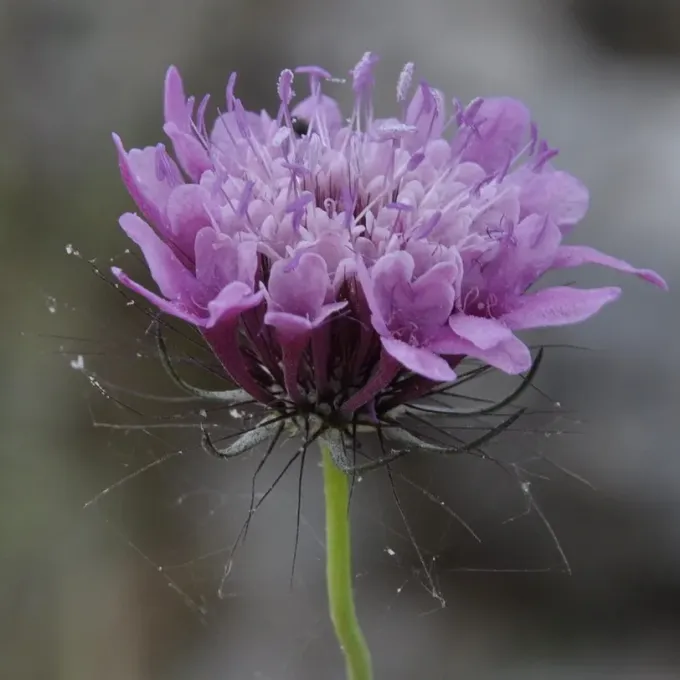
Description
Sowing dates
Scabiosa tenuis is a distinctive species within the Caprifoliaceae family. Propagation is primarily achieved through seeds, which can be sown directly into the soil in early spring once the threat of frost has passed.
For more control over plant development, nursery sowing is recommended. Seeds should be sown indoors in late winter, utilizing a lightweight, well-draining potting mix to ensure healthy root development.
Once seedlings have reached the two-leaf stage, they must be transplanted or thinned to prevent overcrowding. This process is essential for ensuring that each plant has enough space to develop its characteristic habit.
When transplanting into the field, a spacing of 30 to 40 centimeters is ideal. This density provides enough room for airflow, which is a critical factor in maintaining plant health during the growing season.
Autumn sowing is also an option in temperate zones, allowing the seeds to undergo natural stratification. This method often results in stronger, more robust plants that are better acclimated to the specific site conditions.
Growing requirements
The plant thrives in sunny locations with full sun exposure. It is highly sensitive to shade, which can lead to elongated stems and significantly reduced flower production throughout the summer.
Soil quality is paramount for Scabiosa tenuis. It requires a fertile, well-draining soil with a neutral or slightly alkaline pH. Clay soils should be amended with organic matter to improve drainage.
Water management is focused on consistency. While the plant can withstand short periods of drought once established, regular irrigation is necessary during peak growth to sustain its delicate blooms.
Fertilization should be handled with care. A balanced fertilizer applied in early spring is usually sufficient to support the plant's metabolic needs without causing excessive vegetative growth at the expense of flowering.
Maintenance tasks include the regular removal of spent flowers. This process, known as deadheading, is vital to prevent self-seeding and to encourage the plant to produce a second wave of blooms.
Main diseases and pests
Powdery mildew is a common fungal threat, especially in humid conditions with poor air circulation. Improving spacing and ensuring adequate sunlight are the best preventative measures against this disease.
Root rot, caused by Phytophthora or Pythium species, often strikes in poorly drained soils. Avoiding overwatering and ensuring a deep-drained substrate are essential strategies for protecting the root system.
Aphids can cause significant damage by feeding on the sap of young buds and leaves. Biological controls or targeted insecticidal soaps are recommended to keep populations below the economic threshold.
Spider mites can be a problem in hot, dry environments. They cause stippling on the leaves and can lead to plant decline if not detected and managed early with appropriate horticultural oils.
Routine inspections are the cornerstone of a successful plant health program. By identifying pests and diseases in their early stages, growers can apply localized treatments, saving time and resources.