
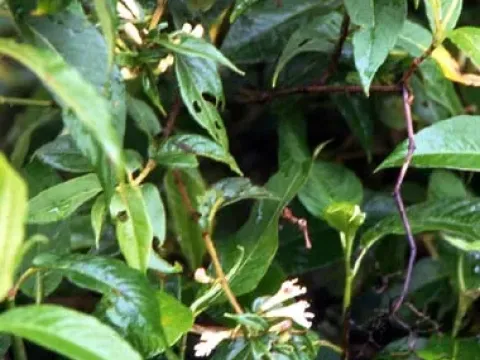
False golden honeysuckle
Lonicera pseudochrysantha
False golden honeysuckle (Lonicera pseudochrysantha) is a deciduous shrub species belonging to the Caprifoliaceae family. Native to the temperate regions of the Far East, this plant is well-regarded for its robust nature and resilience in cold climates, making it a reliable choice for gardens in higher latitudes.
What the section contains
False golden honeysuckle
The plant thrives in positions ranging from full sun to partial shade, showing adaptability to various light conditions. It performs best in well-draining, fertile loamy soils that can retain sufficient moisture without becoming waterlogged, ensuring optimal root development throughout the growing season.
Climatically, this species is highly hardy, capable of surviving harsh winters typical of its natural range. To maintain high vigor, the plant requires consistent watering during the initial stages of establishment and during prolonged dry spells, as drought stress can limit its ornamental value.
Botanically, Lonicera pseudochrysantha is known for its dense, spreading habit and characteristic yellow inflorescences. Following the flowering period, it produces paired fruits that add visual interest to the landscape. It is widely used in landscaping for hedge formation or as an attractive background shrub.
Cultural care involves regular pruning to manage the shrub's shape and density, typically performed during the dormant season. Supplemental feeding with balanced fertilizers in early spring helps promote healthy vegetative growth and enhances the plant's natural resistance to environmental stress.
While generally resistant to many pests, the shrub can occasionally be affected by powdery mildew, especially if planted in areas with poor air circulation. Proper spacing between individual plants is essential to ensure adequate airflow and prevent the build-up of fungal pathogens on the foliage.
Aphids and leaf-rollers are the most frequent insect pests that may target new leaf growth. Monitoring the plant during the spring flush is advisable, and if necessary, soft biological insecticides can be used to control populations before they reach significant levels.
Root rot remains a concern in poorly drained soils where water accumulates for long periods. Ensuring the planting site has adequate slope or incorporating organic matter to improve soil structure can effectively mitigate this risk, preventing long-term damage to the plant's vascular system.
Winter maintenance should include the removal of dead or crossing branches to prevent entry points for decay-causing fungi. Keeping the base of the plant clear of excessive debris also helps in reducing the population of overwintering insects that might emerge in the spring.
An integrated pest management approach, focusing on cultural practices rather than chemicals, is recommended to preserve the biodiversity of the garden environment. Maintaining overall plant health is the most effective defense against both diseases and insect infestations in this species.