
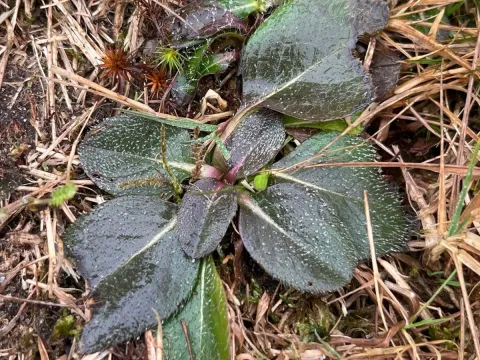
Devil's-bit
Succisa
Sowing of Devil's-bit (Succisa pratensis) is recommended during the autumn season or early spring following a necessary stratification period. Seed germination is highly dependent on temperature, making late April the optimal time for outdoor sowing.
What the section contains


Devil's-bit
Prepare the soil to achieve a loose structure before sowing. Seeds should be placed at a shallow depth of no more than 0.5–1 cm, as they require light to germinate effectively. After sowing, lightly roll the soil surface to ensure good seed-to-soil contact.
When sowing in spring, seedlings typically appear within 2–3 weeks, provided the soil remains consistently moist. It is critical to maintain steady moisture levels during the early development stages to prevent the delicate seedlings from drying out.
During the first year, the plant develops a compact rosette of basal leaves and establishes its root system. Significant aerial growth, including the development of flowering stalks, usually occurs during the second year of cultivation.
For commercial production aimed at medicinal use, a planting density of 10–12 plants per square meter is recommended. This spacing ensures adequate nutrient uptake for each plant and facilitates easier mechanical maintenance.
Devil's-bit belongs to the Caprifoliaceae family and naturally inhabits moist meadows, fens, and forest clearings. The plant prefers slightly acidic to neutral soils that are rich in organic matter.
The culture requires high soil moisture levels for optimal growth but cannot tolerate waterlogging. Loamy soils with good aeration and drainage properties provide the most favorable environment for healthy root development.
As a sun-loving plant, Succisa thrives in open, well-lit areas. While it can tolerate partial shade, excessive shading should be avoided, as it can reduce the concentration of active medicinal compounds within the plant tissues.
The species exhibits high cold tolerance, typical of temperate zone flora. Its rhizomes are capable of surviving harsh winters, making it a reliable perennial crop across various northern and central climate zones.
Effective agronomic practice includes annual application of organic fertilizer at the start of the growing season. Nitrogen-rich mineral supplements can also be utilized to boost biomass production for harvesting purposes.
The primary threats to Succisa plantations are fungal diseases encouraged by excessive dampness. Root rot is a common issue in poorly drained soils, making proper site preparation essential for the longevity of the crop.
Pests, including certain caterpillars and leaf beetles, may feed on the foliage, impacting the quality of the harvested material. Regular scouting of the plantation is advised to identify and manage pest populations early.
Powdery mildew may occur in overly dense plantings with poor airflow. Maintaining proper spacing and regular weeding helps significantly reduce the incidence of such outbreaks within the field.
Aphids can infest the flowering stems, which may adversely affect seed development and overall plant health. Integrated pest management using biological controls is preferred to maintain the quality of the herb.
Slugs and snails can cause damage to young plants during rainy seasons. Implementing protective barriers or using mulching techniques can help limit their movement and protect the sensitive foliage of young specimens.
The harvest of the aerial parts should be carried out during the peak flowering stage, when the concentration of bioactive substances is at its highest. This window typically occurs between July and August.
The plants are cut at a height of 10–15 cm above the ground. It is essential to use clean, sharp tools to avoid damaging the root crown, which allows the plant to regenerate successfully for the following year's crop.
Harvested material must be transported quickly to drying facilities to prevent heat buildup and degradation. Drying is best performed under shade in a well-ventilated area or in mechanical dryers at temperatures below 45 degrees Celsius.
If harvesting rhizomes, this should be done in late autumn after the plant has entered its dormancy. The roots are then cleaned of soil, washed thoroughly, and dried in ventilated rooms to ensure shelf stability.
Following harvest, clearing the field of debris helps reduce disease pressure for the subsequent season. With proper maintenance, a Succisa plantation can remain productive for 4 to 6 years before replanting is necessary.