
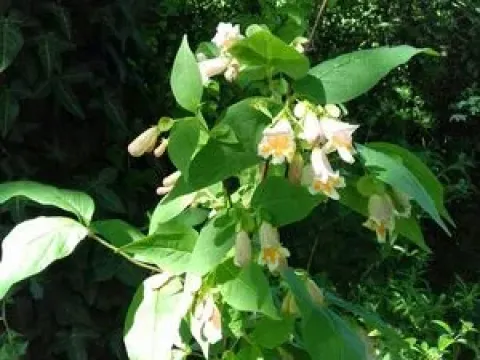
Dipelta
Dipelta
Dipelta is a genus of deciduous ornamental shrubs belonging to the Caprifoliaceae family. Native to the mountainous regions of China, these plants are highly valued in landscape design for their elegant habit and attractive flowers.
What the section contains


Dipelta
To thrive, the plant requires a sunny position, though it can tolerate light shade during the hottest parts of the day. Protection from harsh, drying winds is essential to prevent damage to the tender young branches and buds during the spring season.
Soil requirements focus on fertility and drainage; the plant flourishes in loose, humus-rich soil with a neutral to slightly acidic pH level. It is crucial to avoid areas with standing water, as the roots are sensitive to waterlogging.
Consistent moisture is key during the growing season, particularly for young specimens establishment. Applying organic mulch around the base of the plant helps maintain soil temperature and moisture levels effectively.
The cultural conditions should emulate a cool-temperate environment with regular rainfall. While mature plants show reasonable resilience, they should be sheltered during extreme winters in colder regions to prevent dieback of the stems.
Dipelta is relatively robust, but it can be susceptible to powdery mildew if airflow is restricted or humidity remains high for too long. Proper spacing and thinning out the center of the shrub help mitigate this risk.
Aphids are the most common pests that target the soft, growing tips of the shrub. Early detection and the application of mild insecticidal soaps are typically sufficient to control these infestations effectively.
Spider mites may become a problem during periods of intense heat and low atmospheric humidity. Regular overhead watering or misting can deter these pests and maintain the foliage in a healthy condition.
Root rot is a physiological threat caused by poor drainage and excessive watering. Once the soil becomes waterlogged, the roots struggle to respire, making the plant vulnerable to secondary fungal attacks.
Preventive maintenance includes yearly sanitation pruning, which removes dead or crossing branches. This practice not only improves the structural integrity of the plant but also denies habitats to potential pests and disease pathogens.