
Fly honeysuckle
Lonicera xylosteum
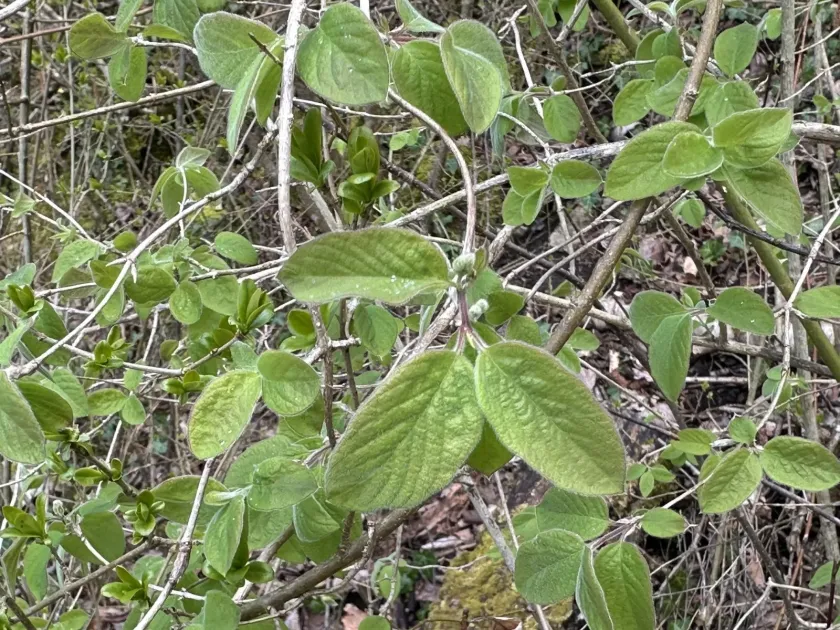
Description
Growing requirements
Fly honeysuckle (Lonicera xylosteum) is a deciduous shrub belonging to the Caprifoliaceae family, known for its dense, rounded growth habit and ability to thrive in various temperate environments.
Native to Europe and parts of Western Asia, this shrub is commonly found in woodlands and thickets, adapting successfully to diverse forest edge ecosystems across its broad natural range.
The plant is highly valued for its hardiness and tolerance of urban conditions, making it an excellent choice for city parks, noise-reducing screens, and ornamental hedges.
It prefers well-drained, fertile soils with a neutral to slightly alkaline reaction; however, it remains flexible and can survive in poorer soil conditions if provided with adequate moisture.
Cultivation practices involve seasonal pruning to maintain shape and promote health, as well as applying organic mulch to the root zone to preserve soil moisture during dry periods.
Main diseases and pests
The shrub is occasionally affected by aphids, which cluster on young leaves and soft stems, often leading to stunted growth if left unmanaged during the spring season.
Fungal issues like powdery mildew are more frequent in dense, poorly ventilated plantings, especially in environments where humidity remains high for extended periods.
Integrated pest management strategies, such as biological control and the use of targeted systemic insecticides, are recommended to maintain plant vitality.
Gardeners should note that the berries of Lonicera xylosteum are toxic to humans and pets, requiring careful placement in landscaping projects away from children's play areas.
Maintaining air circulation through strategic pruning of the inner branches significantly reduces the risk of fungal outbreaks and improves the overall resilience of the plant.