
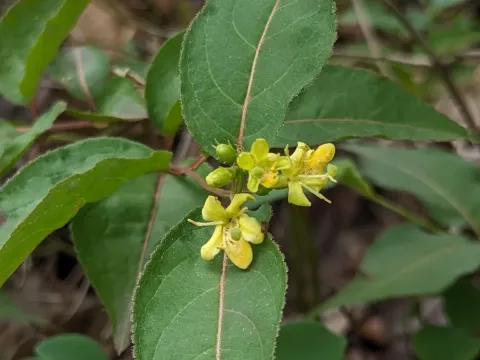
Diervilla
Diervilla
Diervilla, commonly known as bush honeysuckle, is a genus of deciduous shrubs belonging to the Caprifoliaceae family. Native to North America, these hardy plants are highly valued in horticulture for their resilience and adaptability to various environmental conditions.
What the section contains

Diervilla
The plant thrives in a wide range of soil types, including rocky, sandy, and clay soils, provided there is adequate drainage. While it prefers moist, fertile ground, it is remarkably drought-tolerant once established, making it an excellent choice for low-maintenance landscapes.
In terms of light exposure, Diervilla performs best in full sun to partial shade. Although it can grow in deeper shade, a brighter location promotes denser foliage and more prolific flowering, which typically occurs during the summer months.
Agrotechnical practices involve minimal effort, primarily consisting of annual pruning in late winter or early spring. This practice encourages new growth and helps maintain a desirable, rounded habit, preventing the shrub from becoming too woody over time.
Due to its suckering growth habit, Diervilla is exceptionally useful for erosion control on slopes and embankments. Its ability to spread quickly also makes it effective as a groundcover in large areas where other plants might struggle to survive.
One of the primary benefits of choosing Diervilla for commercial or residential landscapes is its high resistance to common plant diseases. It is considered a low-problem genus compared to other ornamental shrubs.
Root rot is the most significant risk, although it is strictly associated with poor site selection or overly compacted, waterlogged soils. Ensuring a well-drained planting site is the best preventative measure against such issues.
Pests are rarely a major concern for this plant. Minor infestations of aphids may occur on tender new shoots during the spring season but generally do not necessitate intensive chemical control measures.
Powdery mildew may occasionally affect the foliage during humid weather conditions with poor air circulation. Proper spacing between individual plants and periodic thinning pruning can significantly reduce the likelihood of fungal outbreaks.
Overall, the plant’s robust nature and vigorous growth make it an ideal choice for urban forestry and sustainable landscaping projects that prioritize minimal chemical intervention.