
Hairy honeysuckle
Lonicera pilosa
Description
Growing requirements
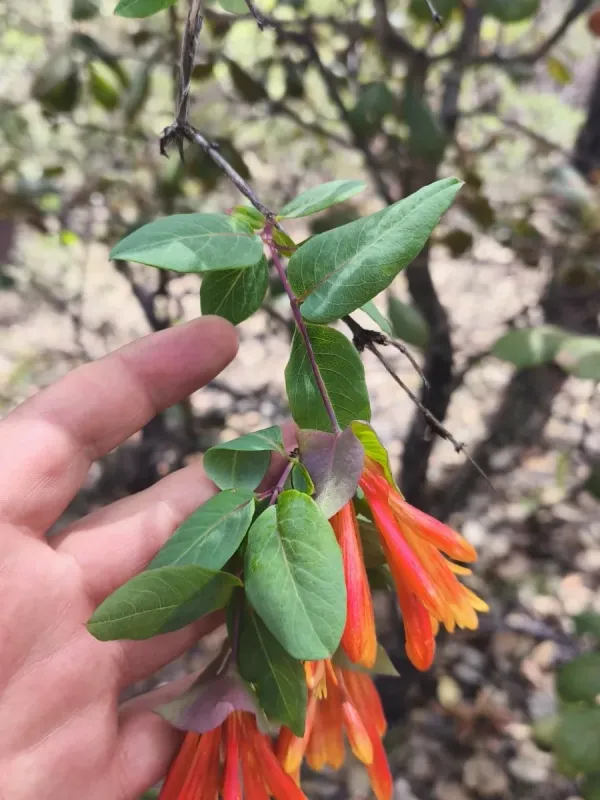
Hairy honeysuckle (Lonicera pilosa) is a perennial deciduous shrub belonging to the Caprifoliaceae family. It is characterized by dense trichomes covering its young stems and leaves, providing a distinct texture and appearance that sets it apart from other species within the Lonicera genus.
The native distribution of this species is typically found in mountainous regions, which contributes to its robust physiological adaptation to temperate environments. It performs well in locations where seasonal temperature variations occur, maintaining its health through various climatic conditions.
Cultivation requirements involve well-drained, nutrient-rich soils with a slightly acidic to neutral pH level. While the plant is quite versatile, it thrives best when provided with sufficient organic matter and consistent moisture levels throughout the growing season to support its vegetative development.
The agrotechnical management of Lonicera pilosa focuses on maintaining soil aeration and structural integrity. Regular annual pruning is recommended to encourage healthy growth, remove deadwood, and preserve the desired shape for landscape design applications in public and private gardens.
Beyond its botanical significance, the plant is primarily utilized for its high ornamental value. It serves as an excellent candidate for ground cover, erosion control on slopes, and as a component of mixed shrub borders due to its aesthetic foliage and overall hardiness.
Main diseases and pests
The most common disease affecting the plant is powdery mildew, which tends to develop in conditions with poor airflow and high humidity. Management practices include thinning the canopy and applying appropriate fungicides to prevent the spread of fungal pathogens during wet summer months.
Pest threats primarily include aphids and leaf-rolling caterpillars that target the tender shoots during early spring. Integrated pest management, including regular visual monitoring and the application of horticultural oils or organic pesticides, is essential to ensure the longevity of the plant.