
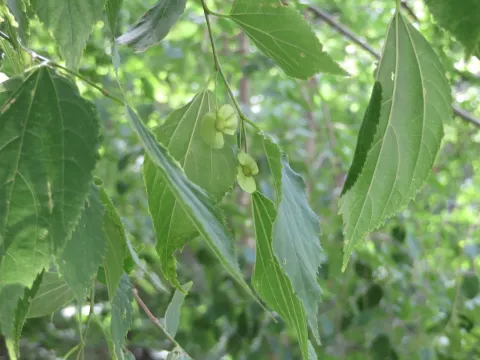
Pteroceltis
Pteroceltis
Pteroceltis is primarily propagated through seeds collected during the autumn season. The seeds, known as samaras, should be harvested when they turn brownish and processed for immediate sowing or stratification to break dormancy.
What the section contains

Pteroceltis
Optimal germination occurs in a well-drained, nutrient-rich substrate under controlled temperatures of 15 to 20 degrees Celsius. Seedlings require careful handling and protection from extreme elements during their initial growth phase.
Vegetative propagation via cuttings is possible, typically utilizing semi-hardwood segments during the early summer season. High-humidity chambers or misting systems are crucial for maintaining the viability of the cuttings.
Transplanting into final locations should take place when saplings have developed a robust root system. Spacing should be determined based on the intended density of the plantation to ensure adequate air circulation.
Early establishment requires monitoring for moisture levels, as young Pteroceltis trees are vulnerable to drought and extreme competition from native vegetation during their first growth cycles.
Belonging to the Cannabaceae family, Pteroceltis is a unique species native to eastern China. It thrives in temperate regions with reliable rainfall and prefers deep, fertile, loamy soils.
The species has a significant requirement for air and soil moisture, making river valleys or alluvial soils ideal habitats. Waterlogging should be strictly avoided to prevent root rot.
While mature trees are relatively hardy, they exhibit a preference for moderate climates without excessive heat or prolonged frost. A site that offers partial protection from strong, drying winds is highly beneficial.
Pteroceltis is moderately shade-tolerant during the juvenile stage but requires more sunlight as it matures. Ensuring proper light penetration is key to maintaining the health of the crown and promoting bark growth.
Maintaining a neutral to slightly acidic soil pH is recommended for optimal nutrient absorption. Periodic soil aeration and the application of organic amendments are standard practices in productive plantations.
The primary economic value of Pteroceltis is its bark, which serves as a vital component in the production of high-quality Xuan paper. This specialized craft demands specific fiber characteristics found in this tree.
Yield is measured by the volume and quality of bark extracted per hectare. Depending on management practices, harvesting cycles are typically established once the trees have reached a mature stage of development.
Wood from Pteroceltis is also valued for its mechanical properties, finding applications in specialized carpentry and fine woodworking. It is a dual-purpose resource when managed correctly.
Advanced agrotechnical practices, such as targeted pruning and optimized fertilization, significantly influence the growth rate and quality of the raw fiber harvested from the trunk.
Long-term planning is required for sustainable yields, as the plant needs time to regenerate after bark stripping. Plantation managers must adhere to strict harvesting standards to preserve tree health.
The species is generally robust but can be susceptible to fungal pathogens if grown in areas with poor drainage or excessive humidity. Proactive disease management involves thinning the canopy to improve air circulation.
Insect pests that target foliage or the cambium layer can impact the overall health and yield of the tree. Monitoring programs are essential for detecting infestations at an early stage.
Competition from invasive weeds during the first years of growth poses a significant threat. Mechanical clearing or the use of biodegradable mulch is recommended to provide a clear environment for the saplings.
Root health is particularly vulnerable to soil-borne pathogens. Maintaining consistent soil drainage is the most effective strategy to mitigate the risk of rot and tree decline.
Biological control methods are increasingly preferred to protect the ecosystem and ensure the sustainability of the plantations. Routine health checks are necessary for maintaining the long-term viability of the crop.