
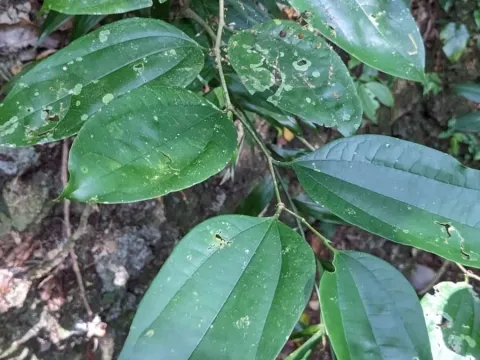
Philippine hackberry
Celtis philippensis
Philippine hackberry (Celtis philippensis) belongs to the Cannabaceae family and is recognized as a robust, large-sized tree native to tropical regions.
What the section contains
Philippine hackberry
Its natural range encompasses large parts of Southeast Asia, ranging from the Philippines to India and reaching into parts of the African continent.
The tree thrives in climates characterized by high rainfall and warm temperatures throughout the year, avoiding areas with severe frost or extreme cold.
In terms of soil, it prefers deep, fertile, and well-draining loamy soils but displays versatility in adapting to various limestone-based substrates.
Successful establishment requires careful selection of sites with adequate exposure to sunlight to ensure healthy crown development and strong growth.
The primary economic value of the Philippine hackberry lies in its timber, which is highly regarded for its strength, durability, and density.
It is widely utilized in the production of furniture, high-quality cabinetry, and various structural components within the construction industry.
Beyond timber production, the tree acts as a significant species in agroforestry, providing shade and helping to prevent soil erosion on slopes.
The fruits serve as an essential food source for wildlife, particularly birds and small mammals, contributing to overall forest health and diversity.
Local communities often utilize parts of the tree for traditional purposes, including medicinal applications, showcasing its versatility as a resource.
The main threat to the species is the widespread deforestation occurring in its natural habitat, which limits the available gene pool and tree population.
Young trees in nursery settings are susceptible to sap-sucking insects like aphids, which can cause stunted growth if not managed promptly.
Root rot, driven by waterlogged soil conditions, remains a significant threat to tree health, especially in poorly drained plantation areas.
Competition from fast-growing weeds and invasive species during the early stages of establishment can severely restrict the growth of young plants.
Monitoring for signs of pests or fungal infections is crucial to maintaining the productivity of timber plantations and natural forest stands.