
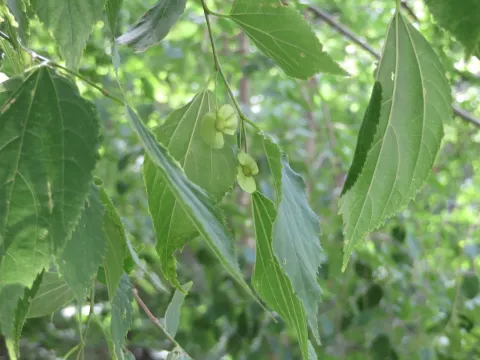
Pteroceltis
Pteroceltis Maxim.
Propagation of Pteroceltis is primarily achieved through seeds, which are sown in the spring following stratification to enhance germination rates. The optimal sowing time coincides with the stabilization of warm temperatures, once the soil warms to at least 10–12 degrees Celsius.
What the section contains
Pteroceltis
Seeds are sown in well-drained substrates, ensuring consistent moisture during the initial weeks of seedling development. The species shows moderate initial growth rates, requiring protection from intense direct sunlight while the root system establishes.
When using vegetative propagation, cuttings are harvested in early summer and treated with rooting hormones. Planting seedlings in their permanent location is recommended during the autumn season, allowing the plant to acclimate before the onset of winter dormancy.
Adhering to correct planting density is crucial; for forestry purposes, sufficient spacing between rows must be maintained to allow for proper crown development. Overcrowded planting leads to reduced wood quality and slower biomass accumulation.
Young trees require regular irrigation and weed control during the first two years to prevent competition. As the root system deepens, Pteroceltis becomes increasingly resilient to environmental stressors.
Pteroceltis is a monotypic genus within the Cannabaceae family, naturally occurring in the limestone regions of China. The crop prefers sites with deep, fertile soil profiles that provide adequate nutrients to the root system.
The plant exhibits high ecological plasticity, although peak performance is observed in temperate climates with sufficient humidity. While it can withstand short dry spells, it is sensitive to prolonged waterlogging.
Successful cultivation requires choosing sunny locations protected from strong prevailing winds. The crop responds positively to neutral or slightly alkaline soil conditions, reflecting its native rocky habitat.
Agronomic management includes regular loosening of the soil around the base to ensure root aeration. During active growth, the crop benefits from balanced fertilization, favoring nitrogen in the early stages and potassium-phosphorus blends in the autumn.
The tree possesses significant cold hardiness characteristic of species adapted to East Asian climate zones. Mature specimens can withstand substantial temperature drops without suffering tissue damage.
The economic use of Pteroceltis is primarily focused on the production of high-value wood and bast fibers used for traditional Xuan paper. Harvesting must follow strict technological protocols to ensure fiber integrity.
Raw material collection is preferably performed during the winter or early spring when sap flow is at its lowest. This timing ensures optimal physical and mechanical properties of the extracted materials.
When cultivated for ornamental purposes, maintenance consists of sanitary crown pruning. Removing dry or damaged branches annually promotes a harmonious tree habit and structural health.
The bark processing technology involves long-term soaking and boiling to extract durable fibers. This makes Pteroceltis a strategically important crop for traditional crafts in its cultivation regions.
It is important to note that the growth rates of mature trees allow for selective logging several decades after plantation establishment. Sustainable resource management ensures the continued availability of this unique forest crop.