
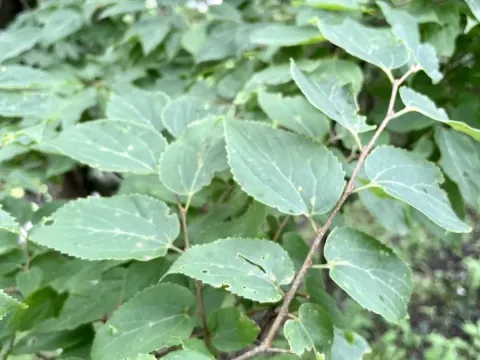
Japanese hackberry
Celtis jessoensis
Celtis jessoensis, commonly known as the Japanese hackberry, is a deciduous tree belonging to the family Cannabaceae, known for its elegant branching structure.
What the section contains
Japanese hackberry
This species is native to East Asia, specifically regions of Japan, Korea, and parts of China, where it thrives in varied forested terrains and mountain slopes.
The tree requires full sun or partial shade and performs best in deep, fertile, and well-drained soils, although it shows significant adaptability to different soil textures.
Climatic requirements involve a temperate climate with consistent moisture levels during the growing season to ensure robust development of the canopy.
In terms of agricultural management, regular pruning during the dormant season is essential for maintaining a strong structural frame and preventing disease entry points.
The primary use of Celtis jessoensis is in ornamental landscaping and urban greening due to its resistance to pollution and adaptive nature in city environments.
Its timber is highly valued for being strong, tough, and flexible, often used in specialized woodcraft and the production of agricultural tool handles.
The tree serves an important ecological role in its native habitat by providing food and shelter for various avian species through its small, persistent fruits.
Landscapers favor this tree for its spectacular golden-yellow autumn foliage, which provides a high aesthetic value to park designs and seasonal gardens.
Research into its carbon sequestration potential suggests that the tree is an efficient species for air quality improvement projects in temperate climate zones.
Japanese hackberry can be susceptible to common leaf-spot diseases and powdery mildew, especially in locations with poor air circulation and high humidity.
Pests such as aphids and various types of leaf beetles can cause cosmetic damage to the foliage, which generally does not affect the long-term vigor of mature trees.
Root rot, often caused by poor drainage or excessive soil moisture, remains the most critical threat to young saplings established in heavy clay soil.
Management of these threats involves planting in well-drained sites and promoting vigorous growth through balanced fertilization and appropriate mulching.
Standard horticultural practices, such as sanitizing pruning tools and removing fallen infected leaves, significantly reduce the incidence of repeating plant diseases.