
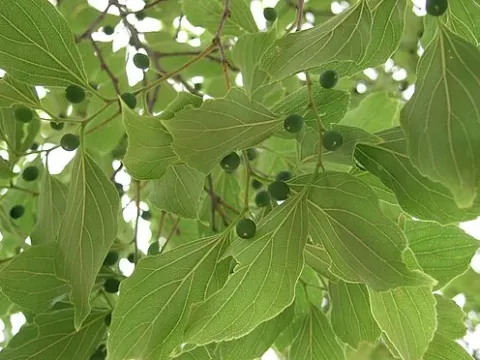
Hildebrandt hackberry
Celtis hildebrandii
Hildebrandt hackberry (Celtis hildebrandii) is a member of the Cannabaceae family. It is a tree species native to the tropical and subtropical regions of Asia, where it thrives in diverse forest ecosystems.
What the section contains
Hildebrandt hackberry
The culture requires deep, well-drained, and nutrient-rich soils to reach its full growth potential. It is sensitive to waterlogging and requires specific soil aeration to support its extensive root system.
Climate is the primary factor limiting its distribution; it demands high temperatures and a frost-free environment throughout the year. It performs best in areas where humidity levels remain relatively consistent.
Agricultural practices for this species focus on early structural pruning to ensure a strong scaffold. Regular monitoring of the trunk development is essential for maintaining the health and longevity of the trees in a plantation setting.
Economically, this species is valuable for both its timber and its ornamental potential. The wood is known for its durability and flexibility, which makes it a sought-after resource in local forestry and woodworking industries.
The primary health threats for Hildebrandt hackberry include fungal infections caused by excessive ambient moisture. These pathogens can compromise the bark and prevent healthy tree development if not managed correctly.
Leaf-eating insects and aphids pose a significant risk to young plantations. Monitoring for these pests should be conducted throughout the growing season to prevent outbreaks that could stunt tree growth.
Chlorosis, often caused by nutrient deficiencies or incorrect soil pH, is a common issue that requires diagnostic testing and subsequent soil amendment to restore the plant's metabolic health.
Proper spacing is a vital management technique, as it prevents the buildup of humidity within the canopy, thus reducing the risk of mold and bacterial infections that flourish in stagnant conditions.
In cases of severe infestation or infection, sanitary pruning is the recommended intervention. Removing dead or diseased branches prevents the spread of pathogens throughout the entire plantation.