
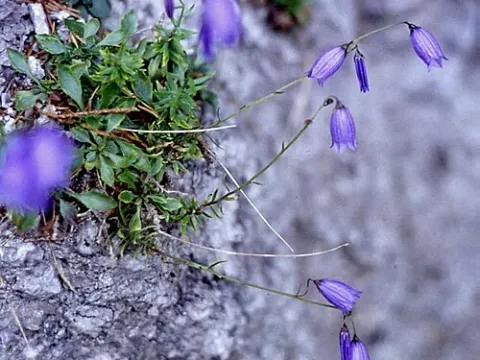
Tufted bellflower
Campanula caespitosa
The tufted bellflower (Campanula caespitosa) is a perennial herbaceous plant belonging to the Campanulaceae family. Propagation is primarily carried out through seeds, which require stratification for successful germination before planting.
What the section contains
Tufted bellflower
Sowing in open ground is typically performed in late autumn or early spring. If using seed trays, sow the tiny seeds on the surface of a light seed-starting mix in early spring and keep them in a well-lit location, as they are light-dependent germinators.
Seedlings should be pricked out once they develop their first set of true leaves. Transitioning the plants to individual pots helps ensure they develop enough vigor before being moved to their permanent landscape position.
Vegetative propagation via division of mature clumps is best performed in early spring or autumn. This technique ensures rapid establishment and maintains the specific characteristics of the parent plant.
For optimal establishment in garden beds, plant spacing should be managed to prevent overcrowding. Proper spacing of 20–25 cm allows the plants to form their characteristic tufted appearance without competing for nutrients.
This species thrives in locations that receive full morning sun but benefit from light afternoon shade. In high-heat regions, shade protection is essential to prevent wilting and maintain plant health.
Well-drained soil is a non-negotiable requirement for this culture. It prefers sandy or loamy soils with a neutral to slightly alkaline pH, ensuring that excess moisture does not accumulate around the crown.
Watering must be balanced; the soil should remain consistently moist but never waterlogged. During peak summer, mulching around the base can help maintain soil temperature and moisture levels.
Fertilization with a balanced, low-nitrogen liquid fertilizer once or twice during the growth phase supports flower production. Over-fertilization should be avoided to prevent leggy, weak stems.
Winter care involves providing a light layer of organic mulch in colder zones to protect the crown from frost heaving. In milder climates, the plant remains partially evergreen, providing year-round interest.
Powdery mildew is the most common fungal issue, appearing as white patches on leaves during humid periods. Improving air circulation around the plants is the most effective preventative measure.
Root rot is often the result of poor drainage or overwatering. Once signs of wilting and yellowing appear at the base, it is often difficult to save the plant, highlighting the importance of preventative soil management.
Slugs and snails are the primary pests that damage the delicate foliage of the tufted bellflower. Using barriers or organic baits around the perimeter of the bed effectively keeps these pests away.
Aphids might colonize the flower stalks during the early blooming stage. Small infestations can be washed off with a strong stream of water or treated with insecticidal soaps if necessary.
Regular monitoring and weeding are crucial to preventing the spread of diseases. Keeping the base of the plant free from debris and weeds ensures a healthier environment and reduces the risk of pest outbreaks.