
Lobelia tenuior
Lobelia tenuior
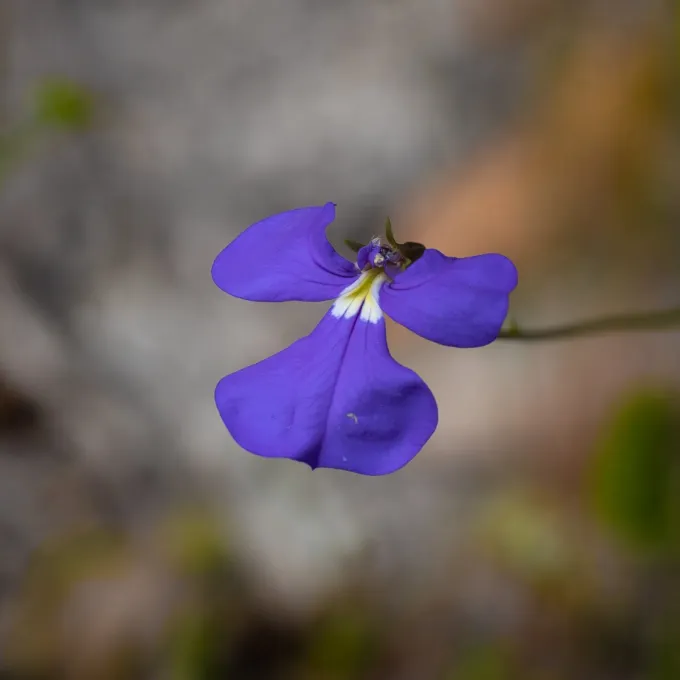
Description
Sowing dates
Lobelia tenuior is typically sown indoors for seedlings in late winter or early spring, approximately 8 to 10 weeks before the last expected frost date.
The seeds are extremely small, so they should not be buried deep in the soil; they are surface-sown onto damp growing medium and pressed gently.
To ensure successful germination, containers should be covered with plastic or glass, maintaining a temperature range of 20–22 degrees Celsius.
Once seedlings emerge, the cover must be removed gradually to provide adequate air circulation and prevent fungal issues among young plants.
Hardened seedlings should be transplanted into the garden only after the danger of frost has passed and night temperatures remain stable.
Growing requirements
This species of lobelia prefers areas with filtered or partial sunlight, as direct afternoon sun can scorch the delicate foliage and blossoms.
The soil must be moderately fertile and well-drained, as the plant is highly susceptible to root damage caused by waterlogged conditions.
Regular but moderate watering is essential; the soil should remain consistently moist but never waterlogged throughout the growing season.
The ideal temperature for active growth is between 18 and 25 degrees Celsius, as the plant is sensitive to temperature extremes and strong winds.
During the flowering phase, it is recommended to apply a balanced fertilizer with low nitrogen content to promote lush, continuous blooming.
Main diseases and pests
The primary threat to Lobelia tenuior is root rot, which is often triggered by overly wet soil conditions and poor aeration in the root zone.
Pests such as spider mites and aphids are common issues, spreading rapidly if the ambient humidity is kept too low for the plants.
In enclosed spaces, insufficient ventilation can lead to powdery mildew outbreaks, appearing as a white powdery coating on the leaves.
To prevent disease, it is crucial to maintain proper spacing between individual plants to ensure adequate air movement within the foliage.
If infestations occur, using biological control agents or mild insecticides is recommended to preserve the aesthetic health of the crop.