
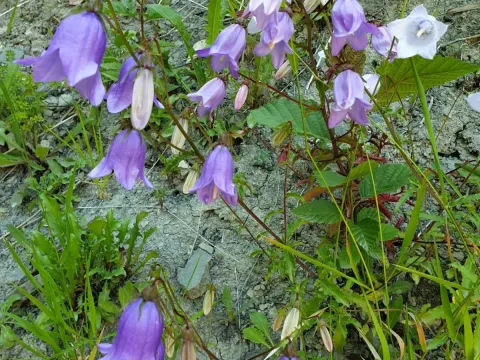
Long-styled bellflower
Campanula longistyla
The long-styled bellflower (Campanula longistyla) is a perennial herb belonging to the Campanulaceae family. It is prized for its unique, large, violet-blue flowers with distinctive long, protruding styles.
What the section contains
Long-styled bellflower
Seeds are typically sown in autumn for natural stratification or in early spring. For best results, use a well-draining seed starting mix and keep the containers in a cool, bright location until germination occurs.
Since the seeds are extremely small, they should be surface-sown and only lightly pressed into the soil. Maintaining consistent moisture through a fine mist spray is essential for successful germination.
Transplanting to the permanent site should be done carefully to avoid damaging the root system. A spacing of 30 centimeters between individual plants is recommended to allow for optimal air circulation.
Native to high-altitude regions, this plant exhibits good cold hardiness and adaptability to fluctuating weather conditions, making it a reliable addition to temperate climate gardens.
The plant thrives in full sun but benefits from light afternoon shade in hotter climates. Adequate lighting is crucial for maintaining the plant's structural integrity and preventing legginess.
Soil requirements focus on high fertility and excellent drainage. The species is highly sensitive to waterlogged conditions, which can lead to rapid decay of the taproot; adding grit or perlite is advised for heavy soils.
Watering should be balanced. Allow the top layer of soil to dry out between watering sessions. During the blooming season, monitor moisture levels closely as the plant increases its water intake.
Fertilization with a balanced, slow-release fertilizer is beneficial during the spring growth phase. Avoid excessive nitrogen, which promotes lush foliage at the expense of floral display.
Regular maintenance involves deadheading spent flowers, which can encourage a second wave of blooms. In cold climates, a light layer of mulch helps protect the crown during winter dormancy.
Fungal issues, particularly powdery mildew and root rot, are the most common problems. These are usually symptoms of high humidity, poor air circulation, or soil that retains too much water.
Slugs and snails are major pests, especially during wet springs. They can quickly consume young shoots and leaves. Using physical barriers like copper tape or crushed eggshells can discourage their presence.
Aphids can gather on the flower stalks, causing distortion. Early detection and treatment with neem oil or mild insecticidal soaps are highly effective in managing minor infestations.
Cultural practices such as clean gardening, proper spacing, and removal of decaying plant debris are essential for preventing the spread of soil-borne pathogens and pests.
In cases of severe disease outbreaks, it is recommended to remove infected parts immediately and apply a preventative fungicide treatment to preserve the health of the remaining garden bed.