
Fairy's thimble
Campanula spatulata
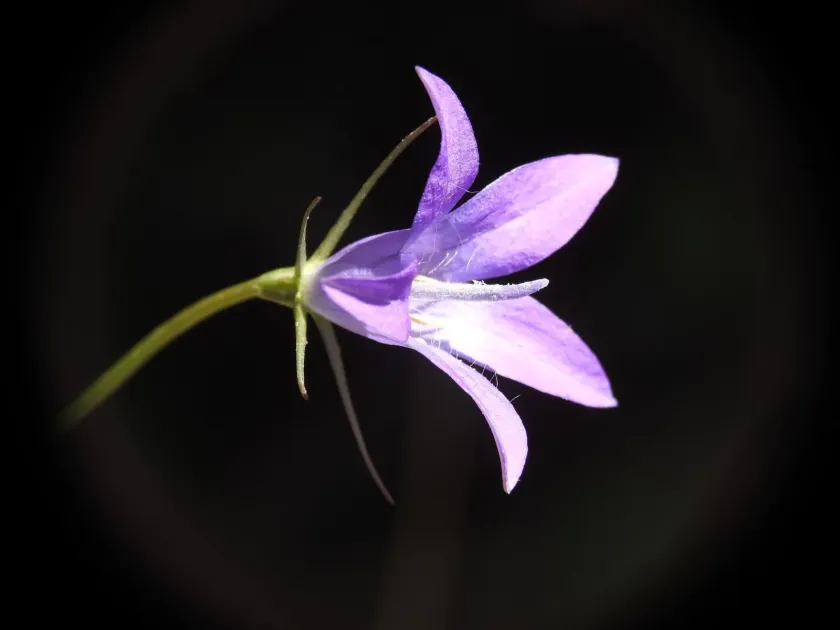
Description
Sowing dates
Sowing seeds of the Fairy's thimble is most effective when done in late autumn, allowing for a natural cold stratification process that improves germination rates.
For indoor propagation, seeds should be sown in early spring into a well-draining, sterile seed-starting mix, ensuring the substrate remains consistently moist.
As the seeds are extremely small, they should be surface-sown and pressed gently into the soil rather than covered, as they require light to germinate effectively.
Optimal germination occurs at temperatures between 18 and 20 degrees Celsius, and containers should be kept in a bright location away from direct harsh sun.
Seedlings should be hardened off gradually over a week before being transplanted into their permanent garden positions once the danger of frost has passed.
Growing requirements
This member of the Campanulaceae family thrives in alpine-like conditions, requiring bright light and protection from excessive heat during the peak of summer.
Well-draining, neutral to slightly alkaline soil is essential; heavy or waterlogged soils are prone to causing root rot and are unsuitable for this species.
The plants perform best in rock gardens or scree beds where they can spread effectively, benefiting from the grit and improved drainage provided by these settings.
Regular but moderate watering is necessary, especially during dry spells, but it is vital to avoid leaving the foliage constantly wet to prevent fungal issues.
Hardiness is one of the plant's strengths, as it is well-adapted to cooler temperate climates and typically requires minimal protection during the winter months.
Main diseases and pests
Fungal diseases, particularly crown and root rot, represent the primary threat to the health of the plant, often induced by stagnant water or poor air circulation.
Gastropods like slugs and snails are significant pests that can rapidly defoliate the rosettes, particularly in damp environments or following heavy rainfall.
Aphids may infest the developing flower spikes during the spring season, causing distorted growth and reducing the overall ornamental appeal of the blooming plants.
Maintaining proper spacing between plants is a critical preventive measure, as it ensures adequate airflow and reduces the micro-humidity that fosters disease.
Should pest infestations occur, manual removal or the application of suitable ecological pesticides is recommended to restore the vigor of the plant patches.