
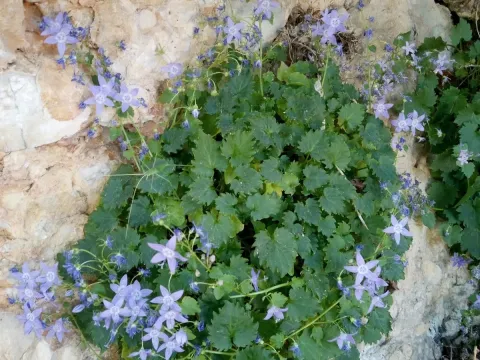
Fenestrellata bellflower
Campanula fenestrellata
The seeds of Campanula fenestrellata are typically sown in early spring, using a light and well-draining seed starting mix. Since the seeds are extremely fine, they should be scattered on the surface and only lightly pressed into the soil to ensure they receive sufficient light for germination.
What the section contains
Fenestrellata bellflower
Optimal germination occurs at temperatures between 18 and 20 degrees Celsius. Providing a consistent moisture level without saturating the soil is crucial during the first two weeks of development until the seedlings establish a stable root system.
For outdoor sowing, it is best to wait until the danger of spring frost has completely passed. The seeds can be directly sown into the cracks of rock walls or prepared gravelly beds, which mimic the natural habitat of this alpine species.
Seedlings should be thinned out to provide enough space for air circulation as they grow. Proper spacing prevents overcrowding, which is a common cause of fungal issues in young plants during the initial stages of their life cycle.
If sown in autumn, the seeds benefit from natural cold stratification, which leads to more uniform germination in the following spring. This method is often preferred for more robust plants that are better adapted to local outdoor environmental conditions.
Fenestrellata bellflower requires a sunny location with excellent drainage to thrive, reflecting its origins in rocky karst terrains. It is particularly well-suited for rock gardens and crevices where it can drape its stems naturally over stones.
The soil should be slightly alkaline or neutral, lean, and gritty. Adding perlite or coarse sand is recommended if the local soil is too heavy, as the root system of this species is highly susceptible to rot when kept in damp or waterlogged conditions.
While drought-tolerant once established, supplemental watering should be provided during prolonged summer heat waves to prevent the plant from wilting. However, water should always be applied at the base to keep the foliage dry and healthy.
Fertilization should be kept to a minimum, as excessive nutrients lead to weak, elongated stems and fewer flowers. A balanced organic fertilizer applied once in the spring is generally sufficient to promote healthy growth and vibrant blooms.
During the winter, the plant requires protection from freezing moisture. Covering the base with gravel or decorative stones can prevent soil splashes on the leaves and protect the crown of the plant from rotting during the wet, dormant months.
Slugs and snails are the most significant pests for this bellflower, especially during damp seasons. Protecting the plants with barriers or using organic bait can prevent severe leaf damage and ensure the plant remains aesthetically pleasing.
Root rot is the most common disease associated with this species and usually results from poor drainage or overwatering. Maintaining a dry crown and ensuring that water flows away from the base of the plant is the best preventive strategy against this condition.
Powdery mildew may occur if the plants are situated in areas with poor airflow and high humidity. Ensuring that the foliage dries quickly after rain or irrigation is essential to mitigate the risk of fungal infections throughout the growing season.
Aphids can occasionally attack the tender flower buds, stunting their development. Regular inspections allow for early detection, and washing the plants with a gentle stream of water or using insecticidal soap is usually effective for control.
Weeds should be removed manually from the planting area to prevent competition for light and nutrients. Weeding also improves airflow around the base of the bellflower, which is vital for keeping the plants healthy and free from soil-borne pathogens.