
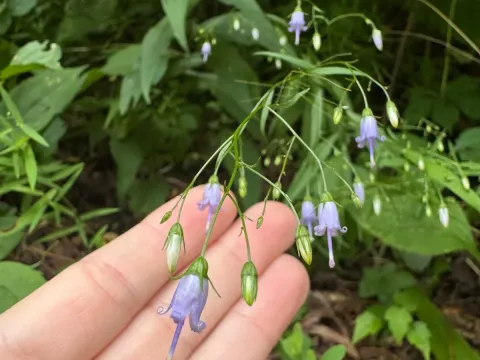
Appalachian bellflower
Campanula divaricata
Seeds of the Appalachian bellflower should be sown on the surface of the growing medium as they require light to germinate effectively.
What the section contains
Appalachian bellflower
When sowing in trays, cover the containers with clear plastic or glass to maintain high humidity levels during the germination phase.
The optimal time for direct outdoor seeding is during the autumn, allowing the cold winter temperatures to naturally stratify the seeds.
If utilizing greenhouse facilities, sowing in late winter ensures that robust transplants are ready for the spring planting window.
Thinning the seedlings is crucial for preventing overcrowding and ensuring that each plant has enough space to develop its characteristic branching habit.
Campanula divaricata, a member of the Campanulaceae family, is a distinctive species native to the mountain ranges of the Eastern United States.
The plant thrives best in well-drained, slightly acidic to neutral soils that mimic its natural rocky, upland forest habitat conditions.
Providing adequate air circulation is essential for maintaining the plant's health, particularly in regions with high summer humidity levels.
It prefers full sun exposure to light shade, which helps in developing the strong, wiry stems required to support its airy, paniculate inflorescences.
Water management must be precise; while the soil should be consistently moist, it must never reach a state of saturation that restricts oxygen to roots.
Fungal pathogens such as powdery mildew are common in stagnant air conditions and can significantly impact the plant's aesthetic value.
Crown rot is a primary concern for Campanula species, usually caused by improper soil drainage or excessive mulch application around the stems.
Gastropods, including slugs and snails, find the tender shoots of young bellflowers highly palatable and can cause substantial foliage damage.
Aphid infestations are occasionally observed during the peak blooming season, which can be mitigated with mild insecticidal soaps or horticultural oils.
Regular sanitation of the garden area, including the removal of dead plant debris, is the best proactive approach to minimizing disease pressure.