
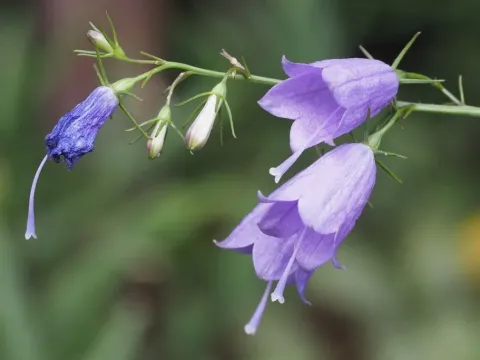
Adenophora
Adenophora
Sowing Adenophora seeds in open ground is best performed in late autumn to allow for natural cold stratification during winter. This process is essential for breaking seed dormancy and ensuring uniform germination in early spring.
What the section contains
 Adenophora gmelinii
Adenophora gmelinii
Adenophora gmelinii
 Adenophora hybrids
Adenophora hybrids
Adenophora hybrids
 Adenophora lamarckii
Adenophora lamarckii
Adenophora lamarckii
 Adenophora nikoensis
Adenophora nikoensis
Adenophora nikoensis
 Adenophora remotiflora
Adenophora remotiflora
Adenophora remotiflora
 Adenophora stricta
Adenophora stricta
Adenophora stricta
 Adenophora takedae
Adenophora taurica
Adenophora taurica
Adenophora takedae
Adenophora takedae
Adenophora taurica
Adenophora taurica
 Ladybell
Adenophora liliifolia
Ladybell
Adenophora liliifolia
 Potanin's ladybell
Adenophora potaninii
Potanin's ladybell
Adenophora potaninii
Adenophora
If opting for spring sowing, seeds must be stratified in a refrigerator at temperatures around +4°C for at least four weeks. Once ready, they are sown on the surface of well-prepared soil and lightly covered with fine sand.
Seedlings are typically started indoors in late winter to extend the growing season. Using a sterile, peat-based mix helps prevent fungal infections during the sensitive germination phase.
Transplanting seedlings requires extreme caution as the taproot system is sensitive to disturbance. Always transplant with a substantial root ball to minimize transplant shock and encourage rapid establishment.
When placing plants in the field, maintain a spacing of at least 35 centimeters. This ensures adequate airflow and prevents competition for soil nutrients during the vigorous growing season.
Adenophora is a perennial plant native to East Asia, belonging to the Campanulaceae family. Its biological nature dictates a preference for deep, nutrient-rich soils that reflect its natural habitat in temperate meadows and forest edges.
The plant thrives in full sun but tolerates partial shade during the heat of the day. Consistent exposure to sunlight is crucial for stimulating the development of robust flower stalks and maintaining plant vigor.
Soil structure is critical; it must be loose, well-draining, and rich in organic matter. Sandy loam or silty soil types are preferred to prevent water stagnation, which is often fatal for this species.
Adenophora shows high resilience to winter conditions, capable of surviving harsh frosts. Proper soil preparation, including the addition of compost, ensures the plant maintains its strength throughout the dormancy period.
Maintenance involves routine weeding to ensure the plants do not become suppressed by faster-growing vegetation. Regular, light irrigation is beneficial, particularly during the onset of the flowering stage, to sustain growth.
Slugs and snails are the primary pests that damage the succulent foliage of Adenophora. Implementing physical barriers or organic bait traps is necessary during wet periods when snail activity peaks.
Root rot is a major threat linked to poor soil drainage or excessive irrigation. Ensuring a high-quality drainage layer or planting on slight ridges can prevent the moisture accumulation that causes root decay.
Powdery mildew can affect the leaves during periods of high humidity and poor air circulation. Proper plant spacing and avoiding overhead watering are key management strategies to mitigate this fungal issue.
Aphids may cluster on flower buds, causing stunted growth and distorted blooms. Applying gentle horticultural soaps or neem oil is usually sufficient to manage these infestations without harming beneficial pollinators.
Viral infections can cause chlorosis or leaf curling, which are often irreversible. Strict sanitation practices, such as sanitizing garden tools and removing infected plant debris, help maintain the health of the entire crop.
Harvesting the roots for medicinal or traditional use is typically performed in the autumn of the second or third year of growth. At this stage, the root has accumulated the maximum concentration of beneficial compounds.
The harvesting process involves carefully digging up the soil around the plant to avoid breaking the delicate taproot. Excavation tools should be used with precision to extract the roots intact.
After extraction, the roots are thoroughly cleaned of soil and debris using cool running water. They are then trimmed of stems and fibrous rootlets before the drying process begins.
Drying should take place in a well-ventilated, shaded area to preserve the chemical integrity of the roots. Exposure to direct sunlight during drying is avoided to prevent the degradation of active ingredients.
Once dried to a crisp texture, the roots are stored in airtight containers away from humidity and light. Proper storage ensures longevity and maintains the quality of the harvested produce.