
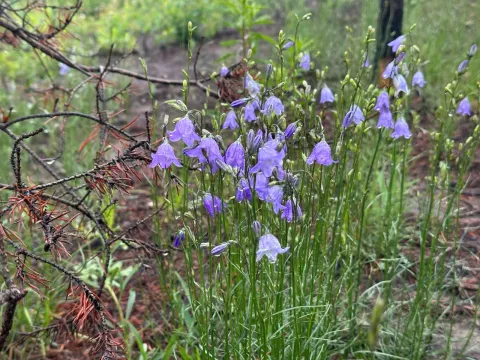
Alaska bellflower
Campanula alaskana
The Alaska bellflower (Campanula alaskana) is a perennial herbaceous plant belonging to the Campanulaceae family. This species is native to the rugged terrains of Alaska, making it well-adapted to cooler climates and high-altitude conditions.
What the section contains
Alaska bellflower
Propagation is typically done through seeds or division of mature clumps. For the best results, seeds should be sown in late autumn or after a period of artificial cold stratification, which simulates the natural winter conditions required for germination.
When starting seeds indoors, they should be surface-sown on moist, well-draining soil and not covered, as they require light to germinate. A constant temperature range of 18–20 degrees Celsius should be maintained until the seedlings appear.
Seedlings need to be handled with care during the transplanting process once they reach the two-leaf stage. Given the plant's slow initial growth rate, they require a sheltered nursery environment before being moved to their final outdoor location.
Planting density should be carefully managed to ensure adequate space for each plant to reach its full potential. A spacing of about 30–40 centimeters is ideal, allowing for sufficient airflow, which is critical for the long-term health of the species.
The Alaska bellflower thrives in well-drained, porous soil that is rich in organic matter. A sandy or gritty loam mix is usually the most suitable, as it prevents the water retention that can be detrimental to the plant's delicate root system.
Soil pH levels should be monitored closely; the species prefers a neutral to slightly alkaline environment. Regular soil testing is recommended to ensure that the nutrient levels are sufficient to support vigorous growth throughout the flowering season.
Regarding light conditions, the plant is best suited for partial shade or spots with dappled sunlight. While it can tolerate some sun, it is highly sensitive to intense, direct afternoon heat, which can cause leaf scorch and dehydration.
Moisture management is the most critical aspect of the plant's requirements. It needs consistent, moderate watering; however, it is essential to avoid any waterlogged conditions, which lead to root rot almost immediately in this specific species.
The Alaska bellflower is hardy to low temperatures, but it requires winter protection in regions without consistent snow cover. A light layer of mulch, such as wood chips or dry leaves, helps regulate soil temperature and protects the crown from frost heaves.
Slugs and snails are the most common pests, often causing significant damage to the lush foliage during the spring growing season. Protective barriers or organic bait pellets can be used as effective control measures in infested gardens.
Powdery mildew represents a major threat during humid, stagnant periods. The primary defense involves maintaining adequate spacing between plants to ensure good ventilation and performing regular pruning to remove any affected or dead foliage.
Root rot is often the result of poor soil drainage or excessive watering. Once the root system is compromised, the plant is difficult to save, making preventative measures like proper site selection and soil amendment the most important strategies.
Aphids may occasionally attack the flower spikes, draining the plant of its sap. These can usually be managed with gentle water sprays or mild insecticidal soaps, which are effective without harming the environment or beneficial pollinators.
Finally, keeping the area around the plants free of weeds is crucial for preventing pest and disease build-up. Weeds often harbor pathogens that can quickly spread to the bellflowers, necessitating regular maintenance of the planting bed.