
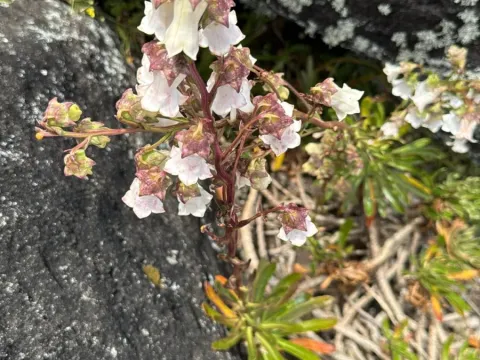
Azorina vidalii
Azorina vidalii
Sowing Azorina vidalii seeds requires precision, typically starting in early spring within a controlled greenhouse environment. The seeds are minuscule and must be sown on the surface of a light, well-draining substrate without being covered, as light is essential for germination.
What the section contains
Azorina vidalii
Maintaining a consistent temperature between 18 and 22 degrees Celsius is crucial for high germination rates. It is recommended to cover the seed tray with clear plastic or glass to create a stable microclimate with high relative humidity during the initial stages.
Germination is a slow process that can take up to six weeks. During this time, the soil must be kept constantly moist but never waterlogged. Once the seedlings develop their first true leaves, they should be carefully pricked out into individual pots.
Young plants are delicate and should be handled with extreme care to avoid damaging their fine roots. Using a peat-based or sandy mix ensures that the root system can develop without excessive moisture retention.
Hardening off the plants before final placement takes several months. Gradual exposure to outdoor conditions, including cooler night temperatures and gentle air movement, helps in preparing the plant for a healthy transition.
Azorina vidalii is a rare, evergreen subshrub belonging to the Campanulaceae family. It is strictly endemic to the Azores islands, specifically growing on rocky cliffs and coastal lava outcrops where soil is scarce and drainage is perfect.
In terms of lighting, this plant prefers bright, indirect light. Intense, direct sun during the afternoon can damage the leaves, so positioning the plant in a spot with morning sun or dappled shade is highly recommended for optimal development.
The soil structure is of paramount importance for the health of Azorina. It requires an extremely well-draining, airy mix that mimics rocky crevices, such as a blend of volcanic rock, sand, and a small amount of organic compost to maintain acidity.
Watering should be approached with caution. The substrate must dry out slightly between waterings to prevent the development of root rot, which is the most common cause of failure when cultivating this species in garden settings.
Climate control is essential as this plant is not fully frost-hardy. It thrives in temperatures ranging from 15 to 25 degrees Celsius and requires protection from freezing, making it ideal for conservatory or greenhouse cultivation in temperate zones.
Root rot is the primary threat to Azorina vidalii. It is usually caused by overwatering or using a substrate with poor drainage capacity, leading to the collapse of the stem base and sudden wilting of the entire plant.
Powdery mildew represents a secondary threat, particularly if the plant is kept in an area with stagnant, humid air. Regular ventilation is key to keeping the foliage dry and free from fungal spores that thrive in still, damp conditions.
Spider mites are the most troublesome pests for this plant, especially when it is grown indoors. These pests thrive in dry environments and can quickly weaken the plant by sucking sap from the leaves, causing chlorosis and fine webbing.
Aphids can also colonize the inflorescences and succulent tips of the stems. Their feeding activities cause malformations in the flowers, significantly reducing the ornamental value of the specimen if left untreated.
To maintain a healthy collection, prioritize preventative maintenance such as proper sanitation of the growing area and regular inspection of the lower leaf surfaces. Early detection of pests allows for effective treatment with soft soap or neem oil solutions.