
American bellflower
Campanula americana
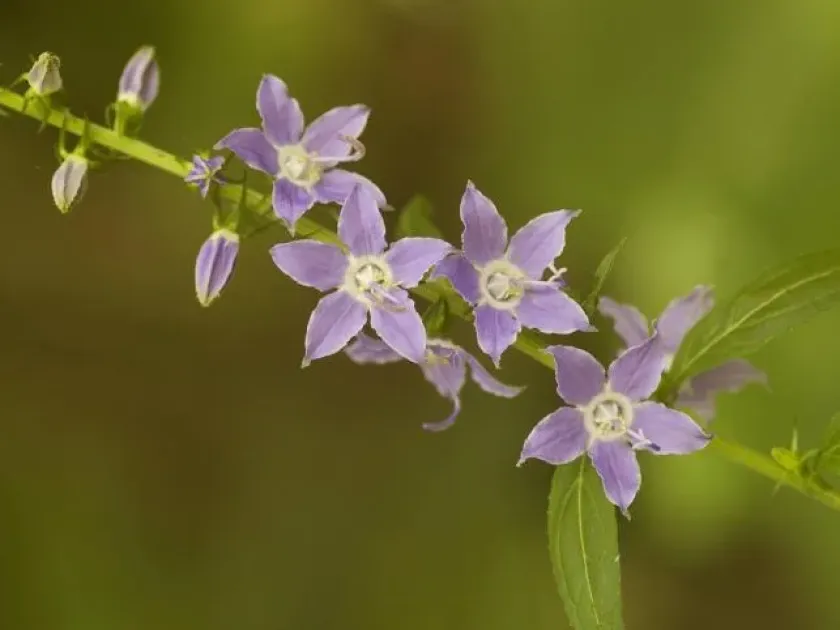
Description
Sowing dates
American bellflower (Campanula americana) is typically sown in late autumn or early spring. Seeds require a period of cold stratification, making fall sowing the most natural and effective method for ensuring germination.
When sowing, seeds should be scattered on the soil surface, as they require light to germinate effectively. They should be pressed firmly into the substrate but not covered with a thick layer of soil.
Maintaining consistent moisture is critical during the initial germination phase. If the soil dries out during the first few weeks, the germination rate drops significantly.
Once established, the seedlings should be thinned to ensure adequate spacing. A distance of 25-30 centimeters between plants allows for better airflow, which reduces the risk of fungal diseases.
Given its biennial or annual nature, gardeners often allow the plants to drop seeds naturally in late summer, ensuring a fresh generation of plants for the following year.
Growing requirements
This species thrives in rich, moist, and well-drained soils. While it can tolerate a variety of soil types, it performs best in loamy substrates with high organic content.
The ideal environment for American bellflower is partial shade or dappled sunlight. It is a woodland-edge species that prefers protection from the intense, direct heat of midday summer sun.
The plant is quite hardy and adapts well to moderate climate conditions. However, during periods of prolonged drought, supplemental watering is necessary to prevent wilting and maintain vigor.
Fertilization is generally not intensive for this species. A light application of compost in early spring is usually sufficient to support the rapid upward growth and eventual flowering of the plant.
Botanical and structural characteristics include:
- A tall, unbranched or sparsely branched stem reaching up to 2 meters.
- Distinctive flat, rotate, pale blue to violet flowers.
- Lanceolate, serrated leaves that are arranged alternately along the stem.
- A deep taproot that helps the plant anchor itself in its natural habitat.
- A prolific seed production capability that aids in colonizing suitable environments.
Main diseases and pests
Slugs and snails are the most prominent pests for this plant, particularly when it is in the seedling stage. These mollusks can consume entire clusters of young growth overnight.
Powdery mildew can become an issue during hot, humid spells, especially if the plants are crowded. Pruning and spacing are essential cultural practices to mitigate this infection.
Aphids occasionally infest the flowering stalks, causing stunted growth and distorted blooms. Early intervention with insecticidal soaps can manage these populations before they spread.
Root rots are common in areas with poor drainage or heavy clay content. Ensuring the soil structure is friable and well-aerated is the best preventative strategy against soil-borne pathogens.
In addition to these threats, competition from invasive weeds can hinder the plant's growth. Regular weeding is necessary until the American bellflower is tall enough to outcompete the surrounding vegetation.