
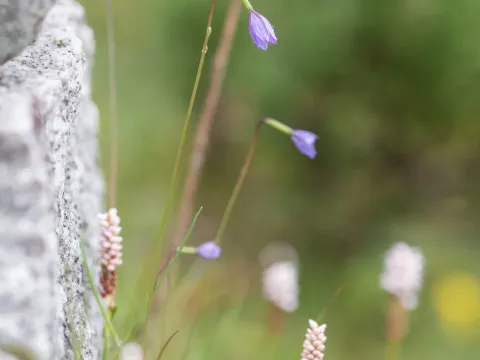
Awned bellflower
Campanula aristata
The Awned bellflower (Campanula aristata) is a perennial herbaceous plant belonging to the Campanulaceae family. Native to the high-altitude regions of the Himalayas, it is naturally adapted to harsh alpine meadows and rocky slopes.
What the section contains
Awned bellflower
This species is characterized by its compact growth habit, forming dense mats that are highly valued in rock gardening. Its distinguishing feature is the presence of long, prominent bracts (awns) surrounding the solitary flowers.
Successful cultivation requires soil that is exceptionally well-drained and gritty. Campanula aristata thrives in environments that mimic its natural habitat, favoring neutral to slightly acidic pH levels and minimal soil enrichment.
Climate requirements for this plant focus on cool temperatures and high light intensity. It struggles in regions with hot, humid summers, necessitating strategic placement in the garden to ensure good ventilation and partial afternoon shade if required.
From a horticultural perspective, this plant is primarily used in alpine gardening. Its unique morphological structure makes it a specialized specimen for collectors, requiring a thoughtful approach to site selection and long-term care.
The primary threat to the health of the Awned bellflower is root rot, which occurs when soil moisture levels are too high. Ensuring proper drainage is the most critical management practice to prevent the loss of individual plants.
Slugs and snails are frequent pests that can cause significant damage to the foliage and buds of the plant. Using mineral mulches, such as grit or crushed stone, around the base helps deter these mollusks and keeps the foliage dry.
Aphids can also infest the plant during the growing season, particularly during drought periods. Regular monitoring and the application of gentle insecticidal soaps are recommended for control when populations reach damaging levels.
Fungal leaf spots can develop if air circulation is poor, particularly during periods of high humidity. Proper plant spacing is essential to encourage drying of the foliage after rain or irrigation, thereby reducing fungal pressure.
Sustainable pest and disease management for this species relies heavily on environmental control rather than chemical intervention. Providing a stable, high-drainage environment serves as the best defense against major threats.