
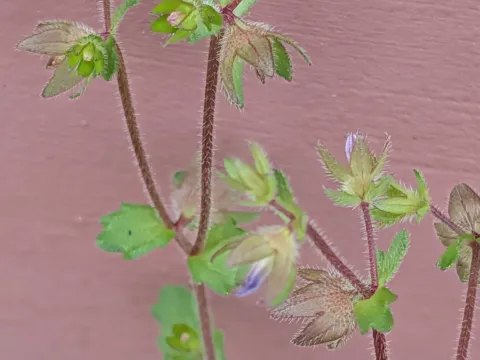
Aegean bellflower
Campanula erinus
The Aegean bellflower (Campanula erinus) is a distinct annual herb belonging to the Campanulaceae family. Unlike its perennial relatives, this species is uniquely adapted to a short life cycle, completing its development within a single growing season.
What the section contains
Aegean bellflower
Sowing typically takes place in early spring, when the soil temperature consistently reaches 15-18 degrees Celsius. For optimal results, seeds can be started indoors in seed trays and transplanted outside once all danger of frost has passed.
The seeds of Campanula erinus are extremely fine and require light to germinate effectively. Therefore, they should be sown on the surface of the soil and only very lightly covered with a fine dusting of grit or vermiculite.
Germination usually occurs within two to three weeks under consistent moisture and moderate light conditions. Once the seedlings develop their first true leaves, they should be thinned out to provide enough space for healthy root and foliage development.
Proper spacing is crucial to prevent competition for resources and to ensure adequate airflow. A spacing of approximately 10 to 15 centimeters between plants is generally considered ideal for maintaining a tidy, ornamental appearance.
This species thrives in sunny, well-drained positions and is perfectly suited for rock gardens, walls, or containers. Its natural habitat is the Mediterranean region, where it frequently grows in rocky crevices and poor soils.
Soil requirements are relatively modest; the plant prefers a gritty, alkaline to neutral substrate that allows for rapid drainage. It is essential to avoid heavy, water-retentive soils that may cause the plant to struggle and rot.
Watering should be balanced and careful. While the plant is quite drought-tolerant, it requires consistent, light irrigation during dry spells to ensure steady growth. Excessive watering is one of the most common mistakes in its cultivation.
Fertilization should be applied sparingly, preferably during the early stages of the vegetative period. A low-nitrogen, balanced fertilizer helps support flowering without promoting weak, sprawling growth that spoils the plant's natural shape.
Climate preferences involve warm, Mediterranean-like conditions. Since it is an annual, it does not require cold-hardiness; however, it does need plenty of sunshine to reach its full potential during the spring and summer months.
The primary threats to the Aegean bellflower are fungal diseases triggered by poor ventilation and excessive moisture. Powdery mildew and root rot are particularly common when the plant is grown in overly damp, stagnant conditions.
Slugs and snails can pose a significant threat to young seedlings and tender foliage, especially during moist spring weather. Protective measures, such as gravel barriers or organic baits, are often necessary to keep these pests away.
Aphids may occasionally infest the developing flower buds, hindering proper blooming and weakening the plant structure. If an infestation is detected, prompt action with insecticidal soap or specific treatments is recommended.
Root-knot nematodes can also be an issue if the soil has not been managed correctly or if the plant has been exposed to infested conditions. Prevention through proper soil preparation and crop rotation is the best defense.
Maintaining clear surroundings by weeding and removing debris is vital for the health of the plant. Ensuring the base of the plant remains dry and airy will drastically reduce the likelihood of encountering these common agricultural threats.