
Alpine bellflower
Campanula alpina
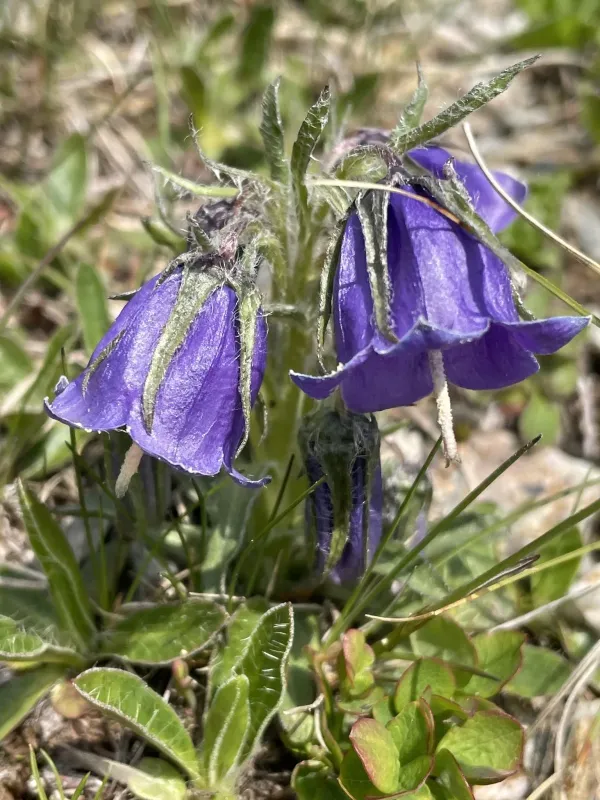
Description
Sowing dates
Alpine bellflower is primarily propagated through seeds, which often require a period of cold stratification to break dormancy. Sowing in late autumn allows the seeds to experience natural seasonal cycles, promoting better germination rates in spring.
For indoor propagation, seeds should be sown in late winter in well-draining soil mixtures. Keeping the containers in a cool environment, such as a cold frame or a refrigerator, mimics the high-altitude climate these plants naturally inhabit.
The seeds are exceptionally small, so they should be surface-sown without covering them with soil. A light dusting of sand can help keep them in place while ensuring they receive enough light, which is essential for germination.
Seedlings develop slowly, requiring patience from the gardener. Pricking out should be done once the first true leaves appear, using caution to avoid damaging the delicate taproot system that this species develops early on.
Transplanting into the permanent garden site should occur after the threat of frost has passed. Plants established in containers for a full season often exhibit stronger growth once moved to the rock garden or alpine bed.
Growing requirements
Campanula alpina is a member of the Campanulaceae family, native to the rugged alpine meadows of Europe. In cultivation, it demands an environment that mimics its mountainous origins to ensure survival and decorative success.
The primary soil requirement is excellent drainage, as these plants are highly intolerant of standing water. A mixture of gravel, grit, and sandy loam is ideal, as it prevents root rot and provides the aeration needed for alpine species.
These plants are sun-loving and perform best when situated in full sun. While they can tolerate some light afternoon shade in warmer regions, they generally require high light intensity to prevent legginess and ensure compact, bushy growth.
Watering should be careful and deliberate. During the active growing season, the soil should be kept lightly moist, but never soggy. The use of a rock mulch around the crown can help keep the foliage dry, reducing the risk of fungal infections.
The alpine bellflower is remarkably hardy and well-adapted to cold climates. It does not require special winter protection in most temperate regions, although a light covering of evergreen boughs can be beneficial if snow cover is absent.
Main diseases and pests
Root and crown rot are the most significant threats to Campanula alpina, usually triggered by waterlogged soil or poor drainage. Improving the site drainage is the most effective way to prevent these issues from recurring.
Slugs and snails can cause substantial damage to the young foliage and emerging flowers, particularly during wet spells. Applying a layer of sharp grit or crushed stone around the plant base acts as a natural deterrent against these pests.
Powdery mildew may occur if air circulation is poor or if the plants are crowded together. Ensuring enough space between individuals and maintaining a clean environment around the base helps keep the foliage healthy and vigorous.
Root-knot nematodes can occasionally affect the plant, causing stunted growth and distorted leaves. If a plant shows signs of sudden decline, inspecting the root system is advisable, and affected plants should be removed from the soil.
Aphids might occasionally colonize the tender new flower buds. While generally not fatal, large infestations can drain the plant's energy; manual removal or a gentle water spray is often sufficient to manage the population.