
Azorina
Azorina
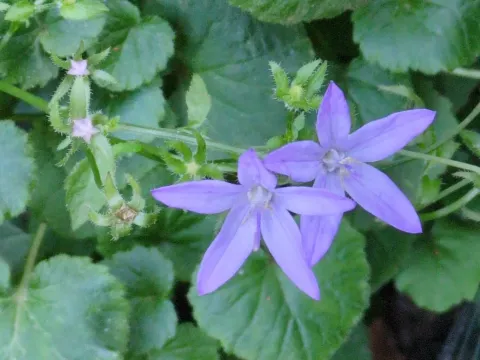
Azorina (lat. Azorina vidalii) is a rare, monotypic genus belonging to the Campanulaceae family. It is endemic to the Azores archipelago, typically found growing on coastal cliffs and rocky substrates within the Atlantic marine environment.
What the section contains
Azorina
Botanically, this plant is defined as an evergreen subshrub. It is characterized by sturdy, woody stems and thick, leathery, dark green foliage that allows the plant to thrive in high-humidity, windy environments while conserving internal water resources.
Success in cultivation requires a substrate with excellent drainage, typically a mix of sandy soil and organic matter. Any stagnation of water around the root system is detrimental and will likely result in root rot, which is the most common cause of crop loss.
The plant thrives in moderate sunlight conditions, requiring protection from intense direct heat. A stable, cool to mild climate is ideal for vegetative growth, as extreme temperature fluctuations can stress the plant and reduce its decorative potential.
For agricultural and horticultural purposes, Azorina is primarily cultivated in greenhouses or containers. This method ensures that the soil chemistry and moisture levels remain consistent, mimicking the specific maritime conditions of its natural volcanic habitat.
The utilization of Azorina is strictly ornamental, aimed at botanical gardens and specialty nurseries. It is highly valued for its long, pendulous inflorescences that feature distinct, bell-shaped flowers in shades of pink, white, or deep purple.
Flower stalks should be monitored closely during the peak season. Once the flowering period concludes and seed pods begin to dry, manual harvesting is performed to ensure the seeds are mature enough for propagation in the next sowing cycle.