
Bearded bellflower
Campanula barbata
Description
Sowing dates
Sowing seeds of the bearded bellflower is typically performed in late autumn for outdoor sowing or in early spring using a greenhouse for seedlings. The seeds are minuscule, so they must be surface-sown on moist compost without being covered by soil.
Stratification for four to six weeks at low temperatures is essential to break seed dormancy and ensure uniform germination. This period mimics the natural winter conditions the plant is accustomed to in its native mountain habitats.
When starting indoors, maintain a consistent temperature between 15 and 18 degrees Celsius. Careful monitoring is necessary to prevent the growing medium from drying out completely while avoiding waterlogging.
Pricking out the seedlings into individual pots is carried out once the first true leaves have developed. Hardening off the plants before transplanting to their permanent location is recommended to reduce transplant shock.
Choose a location that provides partial shade and protection from strong winds to give the young plants the best start in their new environment.
Growing requirements
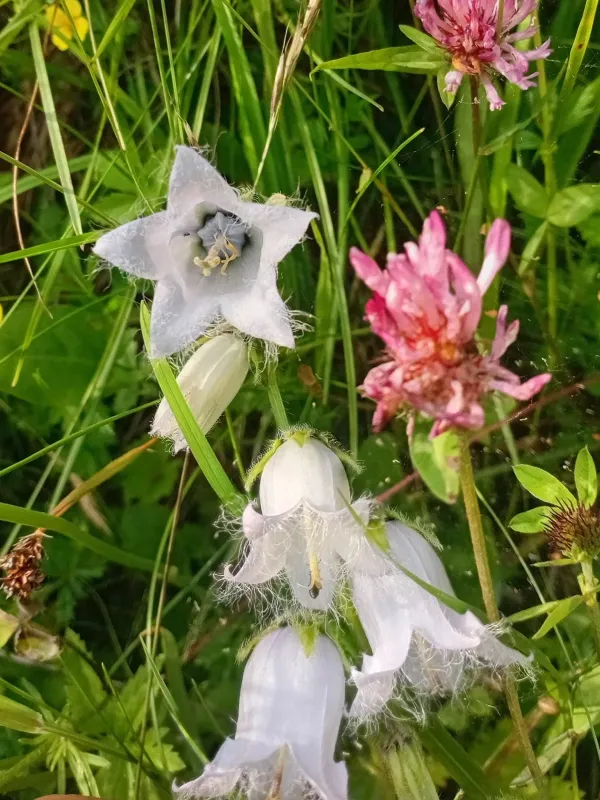
The bearded bellflower belongs to the Campanulaceae family and is native to the mountain meadows and pastures of the Alps. It is a perennial plant known for its distinctive blue, bearded, bell-shaped flowers.
Soil quality is paramount for this species; it requires a well-drained, porous substrate. Sandy or rocky soils that prevent root saturation are ideal for the plant's long-term health.
The plant thrives in regions with a cool, temperate climate. High humidity and heat can be detrimental, so proper site selection—usually in high-altitude rock gardens or alpine beds—is critical for survival.
Nutrient requirements are modest; the plant does not perform well in overly rich or heavily fertilized soils. Minimal organic amendments are usually sufficient to maintain healthy growth patterns.
Regular maintenance involves checking for soil moisture balance and removing weeds that could compete with the relatively slow-growing rosettes of the bellflower.
Main diseases and pests
Common threats to the bearded bellflower include root rot, which typically occurs in poorly drained soils. Fungal pathogens thrive in environments where moisture persists around the crown of the plant.
Slugs and snails are major pests that can damage the delicate leaves of the young rosettes. Protective measures such as mulching with coarse materials or using physical barriers may be necessary.
Aphids can sometimes infest the developing flower spikes, sucking the plant sap and weakening the overall vigor of the perennial. Regular inspection during the spring is advised to identify early signs of infestation.
Botrytis or grey mold may appear in conditions of high air humidity and poor ventilation. Ensuring adequate space between plants and promoting air circulation are primary cultural control methods.
In cases of significant pest or disease pressure, integrated pest management techniques, including localized treatments, should be applied to protect the plant's health.
Harvesting
In a horticultural context, the bearded bellflower is utilized primarily for its aesthetic value in specialized gardens. Harvesting seeds involves collecting the pods as they turn brown but before they release their contents.
Flower spikes can be harvested for dried flower arrangements if picked during the peak of the bloom cycle, though the plant is most valued as a living specimen in alpine displays.
For seed production, the pods are dried in a well-ventilated area until they become brittle. At this stage, they are gently crushed to release the tiny seeds.
Cleaning the seed lot requires winnowing or using fine screens to remove chaff and debris, ensuring a clean sample for future sowing or distribution.
Proper storage is essential; seeds should be kept in a cool, dark, and dry environment to maintain viability for subsequent growing seasons.