
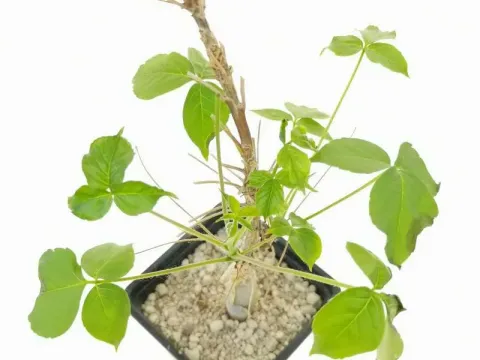
Commiphora unilobata
Commiphora unilobata
Commiphora unilobata is a notable species within the Burseraceae family. This shrub or tree is native to arid environments in East Africa, where it has evolved to thrive in hot, dry, and often nutrient-poor soil conditions.
What the section contains
Commiphora unilobata
The plant requires well-drained, sandy, or rocky soil to survive. Poor drainage or waterlogged conditions are the primary causes of root rot and plant failure, making site selection the most critical factor for successful cultivation.
As a light-loving species, it performs best under full sunlight. Exposure to high levels of radiation is essential for the tree's metabolic processes, including the biosynthesis of the aromatic resins that characterize the genus.
Temperature management is crucial, as the plant demands warm to hot conditions throughout the active growing season. It exhibits high drought tolerance, being well-adapted to environments with prolonged rainless periods.
Agronomic management should focus on preserving the soil structure. Minimal cultivation practices are recommended, as the plant is adapted to undisturbed rocky landscapes where organic matter content is relatively low.
The primary yield from this crop is the resinous exudate produced by the tree's bark. This substance is highly valued for its aromatic and traditional medicinal properties, requiring careful harvest techniques.
Extraction involves making controlled, shallow cuts in the bark of mature trees. This process, often called tapping, must be conducted by skilled personnel to ensure the tree's long-term health and productivity are not compromised.
Yield quantity per tree varies based on genetic diversity and environmental conditions. Intense sunlight exposure is positively correlated with high resin quality, which translates into higher commercial returns for the growers.
Sustainable harvesting cycles are necessary to prevent plant exhaustion. Allowing sufficient recovery time between tapping intervals is mandatory for maintaining a consistent yield over the lifespan of the plantation.
Post-harvest handling is critical for quality control. Collected resin must be stored in cool, ventilated, and dry conditions to prevent the degradation of volatile compounds and to ensure the final product maintains its market value.
Insects, particularly wood-boring beetles, represent a major threat to Commiphora plantations. These pests target the bark and inner layers, which can lead to rapid structural damage and subsequent infection of the tree.
Fungal pathogens pose a constant risk, especially if plantation density is too high or if air circulation is obstructed. Humidity-related issues are the most frequent cause of health decline in commercial settings.
Inappropriate tapping techniques often create pathways for secondary infections. Preventing mechanical damage beyond the necessary cuts is essential to avoid the development of necrotic lesions on the trunk.
Environmental stress, such as unseasonal moisture or cold snaps, can weaken the plant's natural defense systems. Maintaining a balanced vigor through proper spacing and minimal interference is the best preventative strategy.
- Implementing integrated pest management (IPM) practices.
- Sterilizing harvesting tools to avoid cross-contamination.
- Regular monitoring for signs of bark lesions or insect exit holes.