
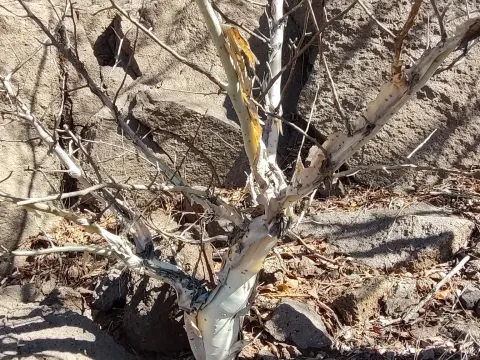
Fragile bursera
Bursera fragilis
Bursera fragilis, commonly known as fragile bursera, is a fascinating woody plant belonging to the Burseraceae family. It is native to the dry tropical environments of Mexico, thriving in rocky and arid landscapes.
What the section contains
Fragile bursera
The plant is distinguished by its fragile, brittle branches and a tendency to store water in its bark and stems, which allows it to survive prolonged droughts in its native habitat.
Botanically, it features compound, aromatic leaves that are shed during periods of extreme water stress. The resin canals within the plant produce essential oils that have historically been utilized for their scent and properties.
Optimal growth requires high light intensity, warm temperatures, and a sharply draining substrate. The soil must mimic rocky, nutrient-poor conditions to prevent root rot, which is the primary cause of plant loss.
In cultivation, this species is highly sought after by succulent collectors and bonsai enthusiasts for its unique structure, which develops an impressive appearance over many years of controlled growth.
The most significant threat to Bursera fragilis is the development of fungal rot in the root system, often caused by watering during the winter dormancy period.
Mealybugs are a frequent pest, often hiding in the complex junctions of the stems, making them difficult to detect until an infestation is well established.
Spider mites can become a major nuisance in low-humidity environments, leading to leaf drop and decreased plant vigor if not controlled by misting or miticides.
Scale insects may attach themselves to the stems, piercing the bark to feed on sap and creating entry points for secondary infections or viral agents.
To ensure plant health, it is vital to maintain excellent air circulation and to avoid any practices that leave the crown or root ball in a persistently damp state.