
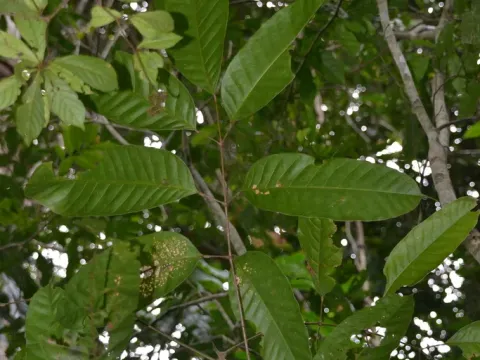
Protium
Protium Burm. f.
Protium is a genus of flowering plants belonging to the Burseraceae family. These tropical trees are native to the forest ecosystems of the Americas, Africa, and parts of Asia, known for their resinous properties.
What the section contains

Protium
The culture thrives in humid tropical climates characterized by warm temperatures and consistent rainfall throughout the year. It prefers deep, well-draining soils rich in organic matter to support its root system.
In terms of agricultural requirements, Protium trees need protection from intense, direct sunlight during their early growth stages, often requiring shade trees in plantation settings.
Botanically, these trees are distinguished by pinnately compound leaves and the ability to secrete fragrant resins. The bark and trunk are typically the primary areas for resin collection through controlled tapping.
Cultivation practices involve selecting appropriate sites with minimal soil compaction and maintaining a moisture level that prevents waterlogging while ensuring the plant does not experience drought stress.
The economic potential of Protium is largely centered on the extraction of oleoresins. These substances are valued globally for their aromatic and therapeutic properties.
Beyond resin, the wood is sometimes harvested for local construction or woodworking, depending on the specific species and its density properties.
Sustainable harvesting techniques, such as non-destructive tapping, allow for a continuous yield over several decades from the same individual tree.
Annual yields vary depending on climatic conditions, the age of the stand, and the skill level of the workers performing the resin collection.
Improving yield performance often involves selective breeding for higher resin quality and better tree health in plantation environments.
The main threats to the plant include fungal pathogens that can invade the wood through tapping wounds if hygiene standards are not strictly met.
Wood-boring insects present a significant risk, particularly to young or stressed trees that are unable to mount a strong defense through resin secretion.
Excessive moisture retention in the soil can lead to root rot, a common cause of mortality in nurseries and poorly drained plantations.
Environmental management, including maintaining biodiversity within the plantation, acts as a natural deterrent against the rapid spread of specialized tree pests.
Regular monitoring of the canopy and trunk health is essential for early detection of potential disease outbreaks, ensuring the long-term viability of the crop.