
Garuga
Garuga
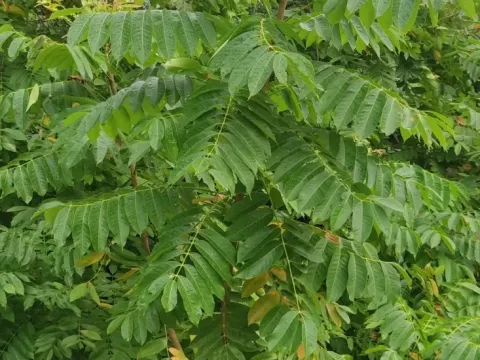
Garuga (Latin: Garuga) is a genus of deciduous trees belonging to the Burseraceae family. These trees are native to tropical and subtropical regions across Asia, Australasia, and the Pacific Islands, often found in deciduous forests.
What the section contains


Garuga
Cultivation of Garuga requires a tropical climate with a distinct seasonal shift. The tree thrives in full sun exposure and is known for its ability to adapt to various soil types, provided that they offer good drainage to prevent waterlogging.
The agrotechnical management of Garuga is relatively straightforward once the seedlings are established. Young trees benefit from occasional pruning to shape the canopy and regular weeding to ensure minimal competition for nutrients.
Garuga holds significant economic value due to its timber, which is appreciated for its utility in light construction and furniture making. The wood is durable and relatively easy to work with using standard carpentry tools.
In addition to timber, various parts of the Garuga tree, including the leaves and bark, are utilized in traditional medicinal practices. The fruits are consumed by both local wildlife and human populations in native regions.
The main biological threats to Garuga include fungal pathogens that exploit high humidity levels, potentially leading to bark rot and structural weakening.
Insect pests such as wood-boring beetles present a constant threat to the health of the trees, necessitating proper orchard hygiene to reduce the risk of infestation.