
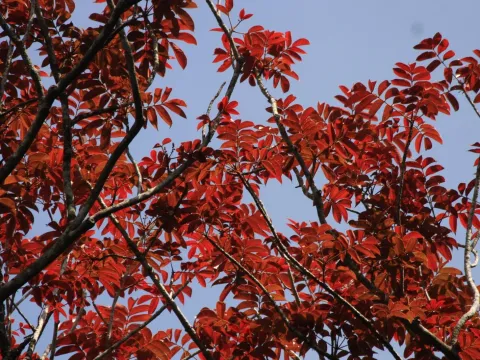
Canarium strictum
Canarium strictum
Canarium strictum is a prominent tropical tree species belonging to the Burseraceae family. It is well-recognized for its stature and its ability to produce significant amounts of oleoresin, commonly known as black dammar.
What the section contains
Canarium strictum
The species is native to the evergreen forests of Southern and Southeast Asia, with a major concentration in the Western Ghats of India. It thrives in high-humidity tropical environments that receive consistent seasonal rainfall.
Cultivation of this species requires deep, fertile, and well-drained soils. The tree is intolerant to waterlogging, preferring hilly or sloped terrains that facilitate effective drainage of the root zone.
Environmental conditions must mimic the natural rainforest canopy, providing protection from intense direct sunlight during the early sapling stages. Stable temperatures are essential for maintaining the metabolic processes of this species.
Agricultural management is centered on the conservation of natural stands and sustainable harvesting practices. Proper land-use planning is required to ensure that human activities do not compromise the soil stability required for healthy tree growth.
The primary economic output of Canarium strictum is its aromatic resin, which is harvested from the bark. This resin has been used for centuries in traditional practices and is highly valued in modern industry.
Yields are maximized through controlled tapping techniques that prevent damage to the tree's vital conductive tissues. Regular harvesting intervals are necessary to maintain both the productivity of the tree and the quality of the resin.
Beyond the resin, the tree provides valuable timber. The wood is utilized in regional construction and carpentry, valued for its durability and moderate weight, making it a versatile resource for local economies.
The resin serves various industrial purposes, including the manufacturing of varnishes, adhesives, and incense. Its unique chemical profile also makes it a subject of interest in pharmaceutical research for anti-inflammatory compounds.
Sustainability protocols are currently being established to optimize resin yields while ensuring the long-term health and vitality of the forest stands, promoting a balance between economic gain and ecological preservation.
Pathogenic threats include fungal infections that infiltrate the tree through improper incisions during resin extraction. These infections can lead to internal rot and significantly reduce the lifespan of the tree.
Boring insects and various bark beetles pose a physical threat by creating galleries within the wood. These pests disrupt nutrient transport and increase the tree's susceptibility to secondary infections.
Environmental stressors such as changing rainfall patterns and habitat fragmentation are significant threats to the species' survival. Drought can weaken the trees, making them less resilient to pests and diseases.
Integrated pest management strategies involve using sterilized tools for all tapping operations and periodic monitoring to identify early signs of infestation in the trunk and crown areas.
Conservation efforts are vital to protect the genetic diversity of Canarium strictum. Protecting these trees from illegal logging and encroachment remains a priority for regional forestry departments and conservationists.